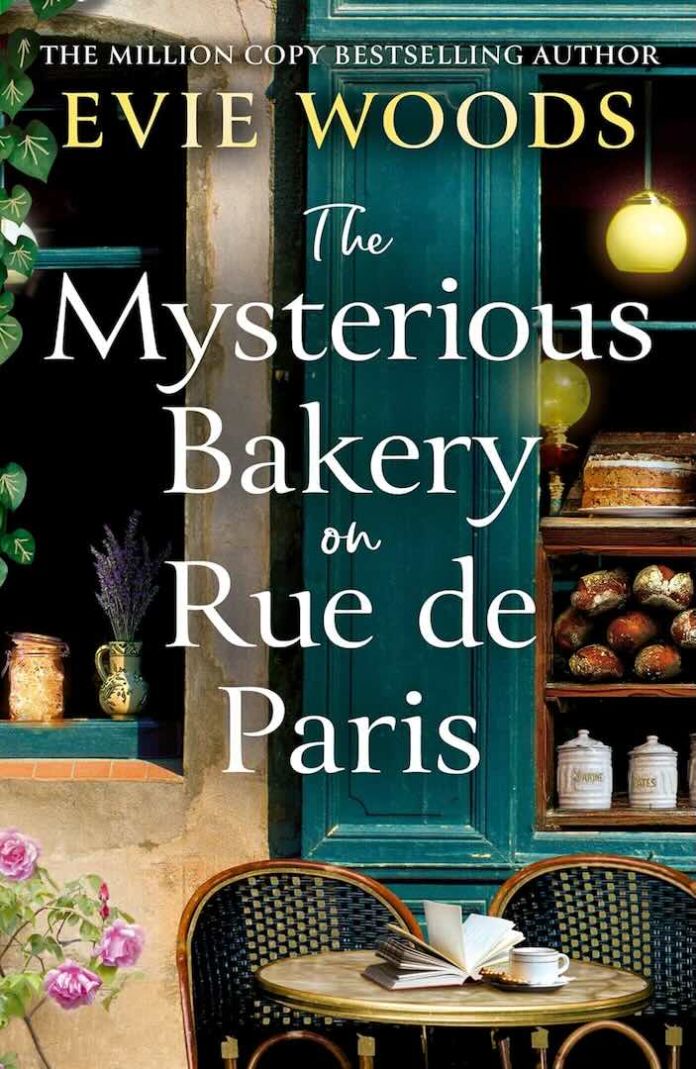
Evie Woods’ latest novel, The Mysterious Bakery on Rue de Paris, serves up a delicious slice of magical realism, historical fiction, and romance, all wrapped in the warm, buttery aroma of freshly baked bread. Following the success of her bestseller The Lost Bookshop and her earlier work The Story Collector, Woods continues to demonstrate her talent for weaving enchanting tales where the ordinary and the extraordinary exist side by side.
Set in the picturesque town of Compiègne, an hour north of Paris, this novel follows Edith “Edie” Lane, a thirty-year-old Irish woman who, after her mother’s death from cystic fibrosis, decides to reinvent herself by taking a job at what she believes is a Parisian bakery. But as with many of life’s best adventures, a misunderstanding leads her not to the glamorous city of her dreams but to a small, historic town with its own magical charm and secrets.
The Charm of Imperfect Beginnings
Woods skillfully builds Edie’s character as someone who has spent years caring for her ill mother, putting her own dreams on hold. Now adrift without this defining role, she finds herself in a place she never intended to be, working for the mysteriously gruff Madame Moreau and her teenage grandson Manu.
The bakery itself becomes a character in its own right – a place of history, secrets, and undeniable magic. The most captivating element? The ghostly baker who appears each morning to guide Manu in the traditional art of bread-making. This supernatural element is introduced with such delicate precision that it feels entirely plausible within the world Woods has created.
What makes this novel particularly satisfying is how Woods resists the urge to rush the relationship between Edie and her employers. The gradual thawing of Madame Moreau’s icy exterior feels natural and earned, adding authenticity to the narrative. Edie’s initial shock at discovering the ghostly presence in the basement and her subsequent acceptance of this otherworldly phenomenon reflects Woods’ talent for guiding readers gently into the supernatural aspects of her story.
Historical Depth and Emotional Resonance
One of the novel’s greatest strengths is its seamless integration of World War II history into the narrative. When Madame Moreau reveals her backstory as a Roma girl whose mother was betrayed to the Nazis, and how Pierre Moreau, the ghostly baker, saved and adopted her, the story takes on profound emotional depth.
Woods handles these historical elements with sensitivity and care, educating readers about the persecution of Roma people during the Holocaust without ever becoming didactic. The scenes depicting Madame Moreau’s childhood memories are particularly moving, infusing the novel with poignant reflections on family, belonging, and the enduring impact of historical trauma.
Key Strengths of the Novel:
- Rich sensory details: Woods excels at atmospheric writing, particularly when describing food. The descriptions of baking are so vivid you can almost smell the bread rising and taste the delicate pastries.
- Well-developed characters: From the initially reserved Madame Moreau to the taciturn teenager Manu, each character feels distinct and fully realized. Even secondary characters like Nicole and Johnny add meaningful dimensions to the story.
- Balanced supernatural elements: The ghostly presence of Pierre Moreau enhances rather than overshadows the human drama, creating a perfect blend of the magical and mundane.
- Historical authenticity: Woods clearly researched the World War II history of Compiègne, including its role as a deportation site and the impact of occupation on everyday French citizens.
- Growth and transformation: Edie’s journey from someone running away from grief to a woman who finds her voice (literally and figuratively) feels genuine and earned.
A Few Narrative Limitations
Despite its many charms, The Mysterious Bakery on Rue de Paris isn’t without flaws. The romance between Edie and Hugo sometimes relies too heavily on coincidence and misunderstanding to create tension. Their conflicts occasionally feel manufactured rather than emerging organically from their characters.
Additionally, the corporate threat to the bakery—while providing necessary plot tension—treads familiar territory. The “small business versus heartless corporation” trope has become somewhat expected in this genre, and a more nuanced approach might have elevated this aspect of the story.
The resolution of the bakery’s financial troubles comes perhaps too neatly, with Hugo’s sacrifice feeling slightly contrived. While emotionally satisfying, this solution doesn’t quite achieve the complexity the rest of the novel demonstrates.
Narrative Elements Worth Noticing:
- The vanillao ingredient: This special element in Pierre’s recipes serves as both plot device and metaphor, representing the almost magical power of memory and connection.
- Edie’s singing: Her journey to find her voice parallels her journey to find herself, creating a satisfying character arc.
- The bakery as metaphor: Just as bread requires time to rise, Edie and other characters need time and the right environment to become their best selves.
- The blending of past and present: Woods effectively weaves the historical backstory with contemporary challenges, creating thematic resonance.
A Rich Tapestry of Themes
Throughout the novel, Woods explores several interconnected themes:
Finding Home in Unexpected Places
Edie’s accidental arrival in Compiègne ultimately leads her to the place she truly belongs, suggesting that our missteps often guide us where we need to be.
The Healing Power of Community
The way the townspeople rally around Madame Moreau illustrates how community can provide support and belonging in times of crisis.
Honoring the Past While Embracing the Future
The bakery’s traditions are preserved even as innovations like Edie’s cupcakes are introduced, creating a harmonious blend of old and new.
The Inheritance of Trauma and Healing
Madame Moreau’s wartime experiences continue to shape her life decades later, but finding resolution allows her to move forward.
Comparisons with Woods’ Other Works
Fans of Woods’ previous bestseller The Lost Bookshop will recognize her signature blend of everyday magic, historical elements, and character-driven narrative. Both novels feature protagonists finding themselves through unexpected circumstances and places with almost mystical qualities.
However, The Mysterious Bakery on Rue de Paris delves more deeply into historical trauma and healing, giving it a more grounded emotional core than her earlier work, The Story Collector, which leaned more heavily into folklore and myth.
Final Thoughts: A Satisfying Literary Confection
Like a perfectly baked croissant, The Mysterious Bakery on Rue de Paris achieves the delicate balance of being both substantial and light. Woods has crafted a novel that entertains while also prompting reflection on how our pasts shape us and how unexpected detours can lead to our most authentic selves.
The novel is particularly recommended for readers who enjoy:
- Historical fiction with touches of magical realism
- Stories of personal transformation and finding one’s place
- Novels with rich sensory details, especially food
- Books exploring the impact of historical events on individual lives
- Character-driven narratives with gentle supernatural elements
For those who appreciated Sarah Addison Allen’s Garden Spells or Jenny Colgan’s bakery-themed novels but crave something with more historical depth, The Mysterious Bakery on Rue de Paris offers a satisfying literary experience.
Evie Woods continues to establish herself as a skilled storyteller who understands that the most powerful magic often exists in the connections we forge with others and the places we call home. While not perfect in every aspect, this novel’s warm heart, engaging characters, and atmospheric setting make it a thoroughly enjoyable read that will leave you craving both French pastries and Woods’ next literary offering.







