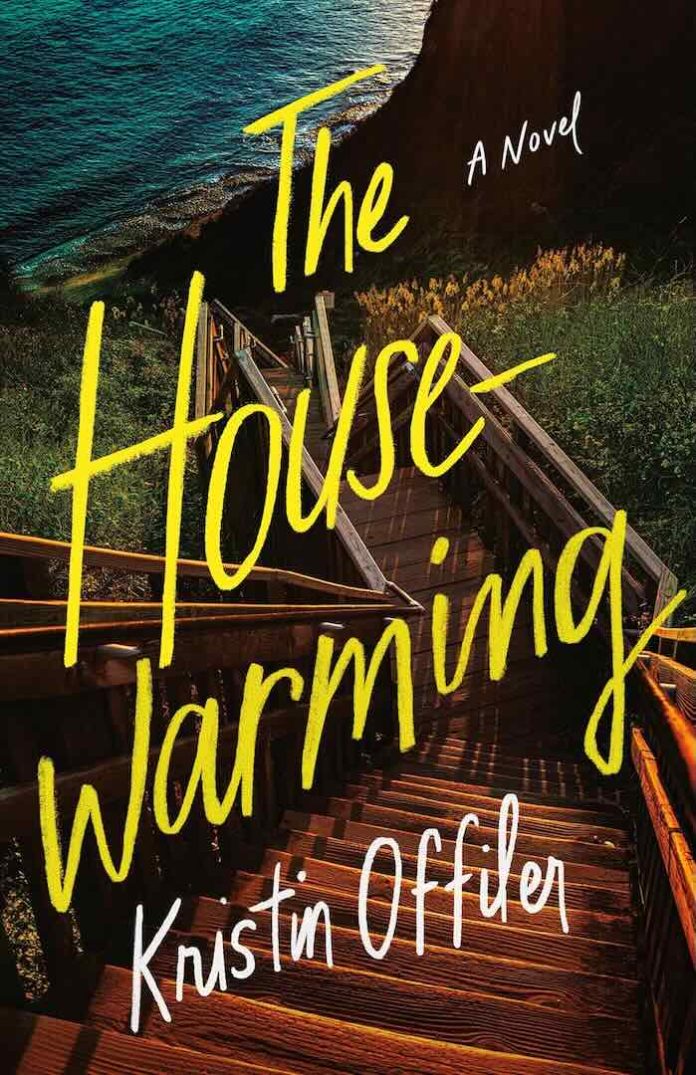
The Housewarming by Kristin Offiler emerges as a masterfully crafted psychological thriller that transforms a simple reunion story into a complex exploration of how trauma, media sensationalism, and long-buried secrets can destroy the bonds between lifelong friends. Offiler’s debut novel demonstrates remarkable maturity in its handling of contemporary true crime culture while delivering the page-turning suspense that mystery readers crave.
Set against the atmospheric backdrop of Block Island, the story follows Callie Sutter as she attempts to reunite her estranged friends five years after their companion Zoe Gilbert mysteriously vanished during their final vacation together. What begins as a housewarming party becomes a reckoning with the past when true crime podcaster Patricia Adele resurfaces with renewed determination to expose what she believes are their lies.
Character Development: Flawed but Compelling
Offiler excels at creating multidimensional characters whose individual perspectives reveal different facets of the central mystery. Callie, wrestling with guilt over her disastrous television interview that fractured their friendship, emerges as a complex protagonist whose wealth cannot shield her from the consequences of past mistakes. Her friends—Meg, Tess, and Lindsey—each carry their own burdens of survivor’s guilt and resentment, creating a tense dynamic that feels authentically strained.
The Housewarming by Kristin Offiler particularly shines in its portrayal of how trauma affects people differently. Tess’s struggles with new motherhood while carrying the weight of her final argument with Zoe provide some of the novel’s most emotionally resonant moments. Meg’s professional crisis when Patricia enters her workplace adds another layer of complexity to how the past refuses to remain buried.
Patricia Adele stands out as a particularly well-crafted antagonist—neither purely evil nor entirely sympathetic. Offiler skillfully captures the modern true crime phenomenon through Patricia’s character, showing how genuine desire for justice can become twisted by personal ambition and social media influence.
Atmospheric Writing and Pacing
The author’s prose style mirrors the psychological tension of the narrative, with short, punchy chapters that shift between different character perspectives, maintaining momentum while gradually revealing crucial information. Offiler’s description of Block Island creates an almost claustrophobic atmosphere despite the open ocean setting, perfectly capturing how the past can make even familiar places feel threatening.
The Housewarming by Kristin Offiler demonstrates Offiler’s keen understanding of pacing in psychological thrillers. The author skillfully weaves together multiple timelines, moving between the friends’ current reunion and flashbacks to both their final trip with Zoe and the aftermath of her disappearance. This structure allows readers to gradually piece together the truth while maintaining suspense.
Contemporary Relevance and Social Commentary
One of the novel’s greatest strengths lies in its timely critique of true crime culture and social media vigilantism. Through Patricia’s character and her online following, Offiler explores how the entertainment value of real tragedies can overshadow genuine investigation and cause additional harm to those already suffering. The book serves as a cautionary tale about the power of narrative and how easily public opinion can be manipulated.
The exploration of female friendship under extreme pressure feels particularly authentic. Offiler avoids the tired trope of women turning on each other at the first sign of trouble, instead showing how genuine love between friends can be poisoned by external forces and internal guilt.
Areas for Improvement
While The Housewarming by Kristin Offiler succeeds on multiple levels, some aspects could have been strengthened. The revelation about Ben Sutter’s involvement, while shocking, feels somewhat rushed in its execution. More groundwork establishing his character beyond Callie’s father might have made the twist more impactful.
Additionally, certain plot threads—particularly Lindsey’s relationship with Fred and its connection to Zoe’s past—occasionally feel tangential to the main narrative. While these elements add complexity, they sometimes detract from the central mystery’s momentum.
The book’s handling of the final revelation, while emotionally satisfying, relies heavily on convenient timing and character positioning that stretches believability slightly.
Themes and Deeper Meaning
Beyond its thriller elements, the novel grapples with profound questions about loyalty, truth, and the price of silence. The friends’ decision to protect each other—and their subsequent suffering when that protection backfires—speaks to the complex moral choices people face when those they love are threatened.
The Housewarming by Kristin Offiler also examines how secrets can become more damaging than the truths they’re meant to conceal. Each character’s hidden pain and guilt demonstrates how isolation, even from close friends, can compound trauma rather than heal it.
Technical Craft and Style
Offiler’s background in creative writing shows in her careful attention to structure and voice. Each character’s chapters feel distinct, with subtle differences in language and perspective that help readers navigate the multiple viewpoints. The author’s ability to maintain tension while slowly doling out information demonstrates solid understanding of thriller mechanics.
The dialogue feels natural and serves multiple purposes—advancing plot, revealing character, and building atmosphere. Particularly effective are the conversations between the friends, which capture the complex dynamic of people who know each other intimately but have grown apart.
Comparisons and Context
The Housewarming by Kristin Offiler fits well within the current landscape of domestic psychological thrillers, sharing DNA with works like Gillian Flynn’s “Sharp Objects” and Ruth Ware’s “In a Dark, Dark Wood.” However, Offiler carves out her own niche by focusing specifically on the modern true crime phenomenon and its impact on real people.
The book also echoes elements found in Tana French’s Dublin Murder Squad series, particularly in its exploration of how past events continue to shape present relationships. Like French, Offiler understands that the most compelling mysteries are those that examine not just what happened, but why it matters to the people involved.
Final Verdict
Despite minor pacing issues and some convenient plotting, The Housewarming by Kristin Offiler delivers a compelling and emotionally resonant thriller that will satisfy fans of psychological suspense. The author’s exploration of friendship, guilt, and media manipulation feels both timely and timeless, while the Block Island setting provides an atmospheric backdrop for the unfolding drama.
Offiler demonstrates considerable promise as a thriller writer, combining social commentary with page-turning suspense in a way that elevates the genre. The book succeeds in creating genuine emotional stakes that extend beyond the central mystery, making readers care about these flawed but sympathetic characters.
The Housewarming by Kristin Offiler is a solid debut that should appeal to readers who enjoy character-driven mysteries with contemporary relevance. While it may not revolutionize the genre, it provides the kind of thoughtful, well-crafted entertainment that keeps psychological thriller enthusiasts engaged from first page to last.
Recommended for Readers Who Enjoyed
- “The Silent Patient“ by Alex Michaelides
- “Big Little Lies“ by Liane Moriarty
- “In the Woods” by Tana French
- “The Thursday Murder Club“ by Richard Osman
- “Gone Girl“ by Gillian Flynn
- “The Woman in the Window“ by A.J. Finn