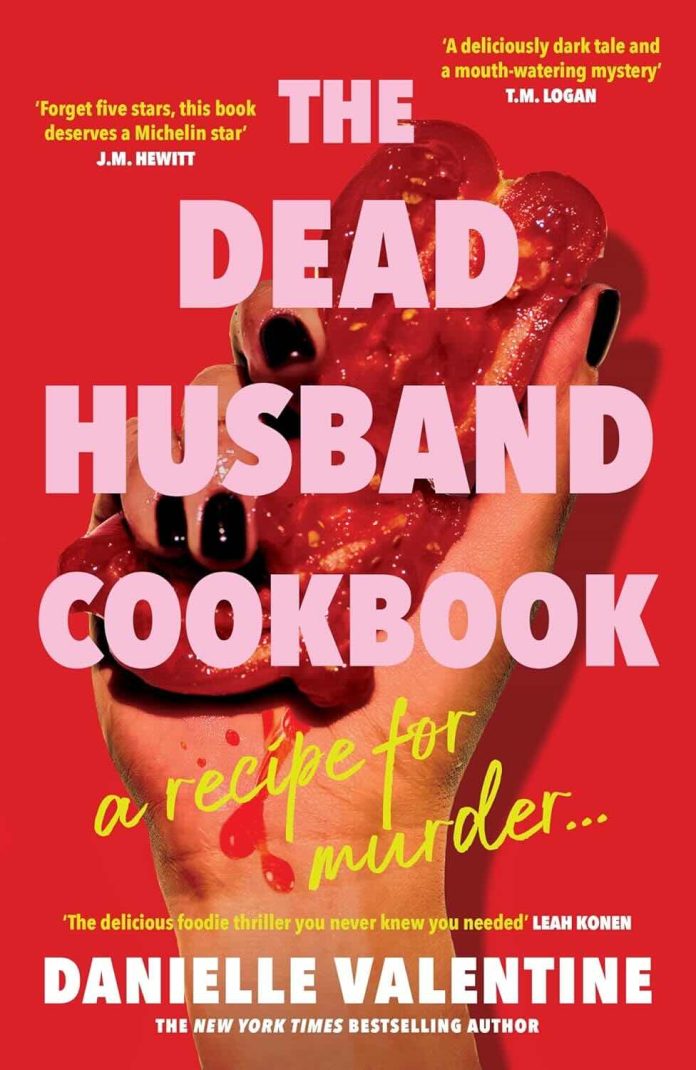
In a literary landscape oversaturated with domestic thrillers, Danielle Valentine attempts to carve out something distinctive with The Dead Husband Cookbook, a tale that blends celebrity chef culture with dark family secrets. While the premise promises a delectable feast of suspense, the execution delivers a meal that’s both richly flavored and occasionally undercooked—much like the controversial meatballs at its center.
A Star-Studded Cast with Familiar Flavors
The novel centers on Maria Capello, a Martha Stewart-esque cooking icon whose rise to fame followed her husband Damien’s mysterious disappearance thirty years prior. When struggling editor Thea Woods is unexpectedly chosen to ghostwrite Maria’s tell-all memoir, she finds herself drawn into a web of secrets at the celebrity chef’s remote upstate farm. Valentine crafts these characters with careful attention to their psychological depths, particularly Thea’s struggles balancing new motherhood with professional ambition—a theme that resonates with authentic emotional weight.
Maria emerges as the novel’s most compelling creation: equal parts nurturing television personality and calculated manipulator. Valentine excels at revealing layers beneath her warm public persona, showing how decades of scrutiny and whispered rumors about cannibalistic meatballs have shaped a woman willing to do anything to protect her carefully constructed empire. The author’s experience with psychological horror shines through in Maria’s characterization, creating an antagonist who remains sympathetic even as her true nature unfolds.
The Recipe for Success: Atmospheric Tension and Social Commentary
Valentine demonstrates considerable skill in constructing atmosphere. The isolated farm setting becomes a character itself, with its labyrinthine hallways, shadows that seem to reach for visitors, and the ever-present specter of the old slaughterhouse. The author’s descriptive prowess transforms ordinary domestic spaces into sources of dread, particularly the kitchen where Maria films her show—a place where nurturing and violence uncomfortably coexist.
The novel’s exploration of female ambition within patriarchal structures proves its strongest thematic element. Through Maria’s backstory, Valentine examines how women’s contributions are often diminished or erased entirely. The revelation that Maria created the famous meatball recipe her husband claimed as his own serves as a powerful metaphor for countless women whose achievements have been overshadowed by male partners. This commentary feels particularly relevant in our current cultural moment of reckoning with historical gender inequities.
Where the Recipe Goes Wrong: Pacing and Plot Conveniences
Unfortunately, the novel’s ambitious scope sometimes works against it. The pacing stumbles in the middle section, where Thea’s investigation into the family’s secrets becomes repetitive. Valentine seems uncertain whether she’s writing a psychological thriller or a horror novel, resulting in tonal inconsistencies that occasionally jar readers from the carefully built atmosphere.
The mystery’s resolution, while shocking, relies heavily on coincidence and somewhat implausible character motivations. The revelation of Damien’s survival and the family’s organ harvesting operation pushes credibility to its breaking point. While Valentine clearly intends this as dark satire of celebrity culture’s cannibalistic nature, the literal interpretation sometimes overshadows the metaphorical richness.
Technical Craftsmanship: Writing Style and Structure
Valentine’s prose demonstrates significant evolution from her previous works How to Survive Your Murder and Two Sides to Every Murder. Her writing here is more controlled and atmospheric, with moments of genuine lyrical beauty. The decision to alternate between Thea and Maria’s perspectives in the final act provides crucial insight into both characters’ motivations, though the timing of these reveals occasionally feels calculated rather than organic.
The integration of recipe excerpts and media clippings adds authentic texture to the narrative, grounding the story in recognizable celebrity culture while highlighting the performative nature of public personas. These elements serve both plot advancement and thematic reinforcement effectively.
Beyond the Kitchen: Cultural Impact and Genre Expectations
The novel arrives at a fascinating cultural moment when celebrity chef culture intersects with increased scrutiny of powerful figures. Valentine taps into genuine anxieties about the personas we consume through media, questioning what darkness might lurk behind carefully curated public images. The book’s exploration of parasocial relationships—particularly Thea’s lifelong fascination with Maria—feels especially pertinent to our social media age.
However, readers expecting a straightforward thriller may find themselves disappointed by the novel’s darker turns. The final act’s embrace of horror elements, including graphic violence and body horror, represents a significant tonal shift that doesn’t fully integrate with the earlier psychological suspense.
The Final Verdict: A Mixed but Memorable Feast
The Dead Husband Cookbook succeeds as an atmospheric thriller with meaningful social commentary, even when its more outrageous elements threaten to overwhelm the story. Valentine crafts genuinely compelling characters and maintains impressive control over her increasingly complex plot. The novel’s willingness to interrogate celebrity culture and gender dynamics elevates it above standard domestic thriller fare.
Yet the book’s greatest strength—its ambitious blend of genres and themes—also proves its weakness. The shift from psychological suspense to body horror feels jarring, and certain plot revelations strain believability. Readers who appreciate their thrillers with a side of social commentary will find much to savor, while those seeking straightforward suspense may leave the table somewhat unsatisfied.
For Readers Who Enjoyed This Book
If The Dead Husband Cookbook appealed to you, consider these similar titles:
- Bella Mackie’s How to Kill Your Family – Dark comedy meets murder plot
- Alexia Casale’s The Best Way to Bury Your Husband – Domestic thriller with dark humor
- Ruth Ware’s The Woman in Cabin 10 – Isolated setting psychological thriller
- Gillian Flynn’s Sharp Objects – Small-town secrets and family dysfunction
- Grady Hendrix’s The Final Girl Support Group – Horror meets social commentary
Valentine has created a novel that lingers in memory long after the final page, even if not all its elements blend seamlessly. Like the best recipes, it’s the imperfections that make it memorable—and the author’s willingness to take risks ensures this cookbook will find its dedicated audience among readers who appreciate their fiction served with a generous helping of darkness.