The Booker Prize 2026 longlist arrived on 28 July with two former winners on it, three debut novelists, and a judging panel that appears to have gone looking for trouble. Thirteen books were chosen from 163 submissions. Mary Beard, chairing, offered one word for what the panel was after: dynamite.
That is not the usual register of prize committees, and the list bears it out. There is a novel narrated partly through pre-cinema optical toys, a campus satire about a man paid to sit through lectures inside a zip-up bag, a bathroom renovation that produces a working Turkish prison cell, and a six-hundred-page reckoning that begins with a theatre rehearsal in 1988 Kingston. Gaby Wood, chief executive of the Booker Prize Foundation, said the selection “rewards risk”. For once that reads as description rather than promotion.
What follows is every book on the list, what it is actually about, what the judges said about it, and where we think it lands. The shortlist is announced on 22 September at the Southbank Centre, with all five judges in conversation, and the winner on 9 November at Old Billingsgate. The winner takes £50,000; each shortlisted author gets £2,500.
We are reading every book on the Booker Prize 2026 longlist and reviewing them here as we go. Two are already done, and their links are live below. This page is the hub for the rest, and it will be updated as each review lands and again when the shortlist is announced.
The Contenders: Thirteen Novels on the Booker Prize 2026 Longlist
Listed in the official order, alphabetical by author surname.
1. The Shadow of the Object by Chloe Aridjis
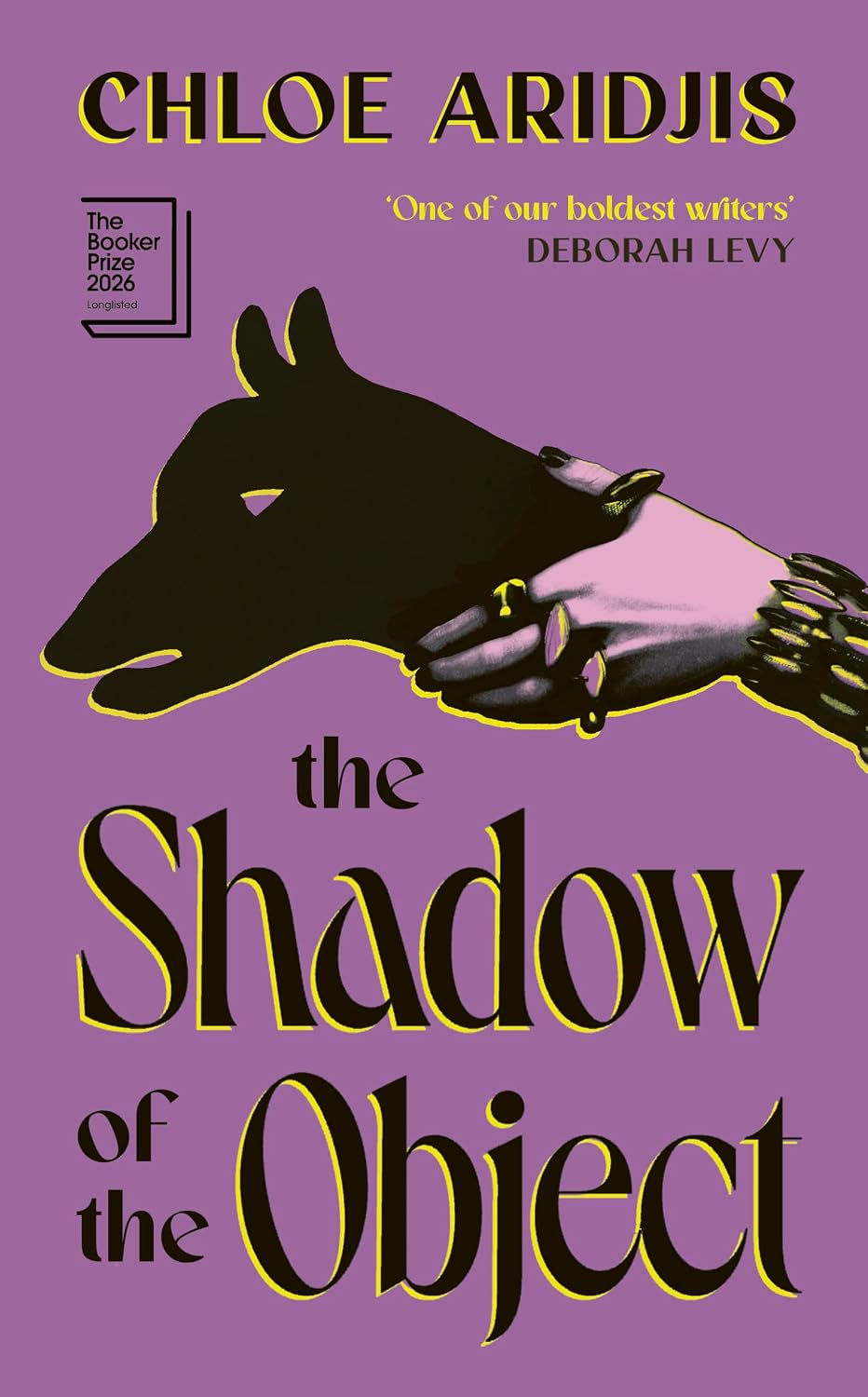
Flora polishes jewellery in Mexico City. The family dog bites her, and in hospital she meets Wilhelmina, an elderly German collector of pre-cinema optical toys: magic lanterns, thaumatropes, the whole apparatus of images that move before film existed.
The novel drifts from there into dream-states, then to London and Wilhelmina’s son Max. Aridjis has been publishing quietly excellent short novels for years, and Deborah Levy calls her one of our boldest writers.
The judges found it “mysterious and free-wheeling”, charmed by its handling of friendship and grief, and by the idea that meaning tends to sit in the shadows rather than the light.
2. Switzy by Emma Cline
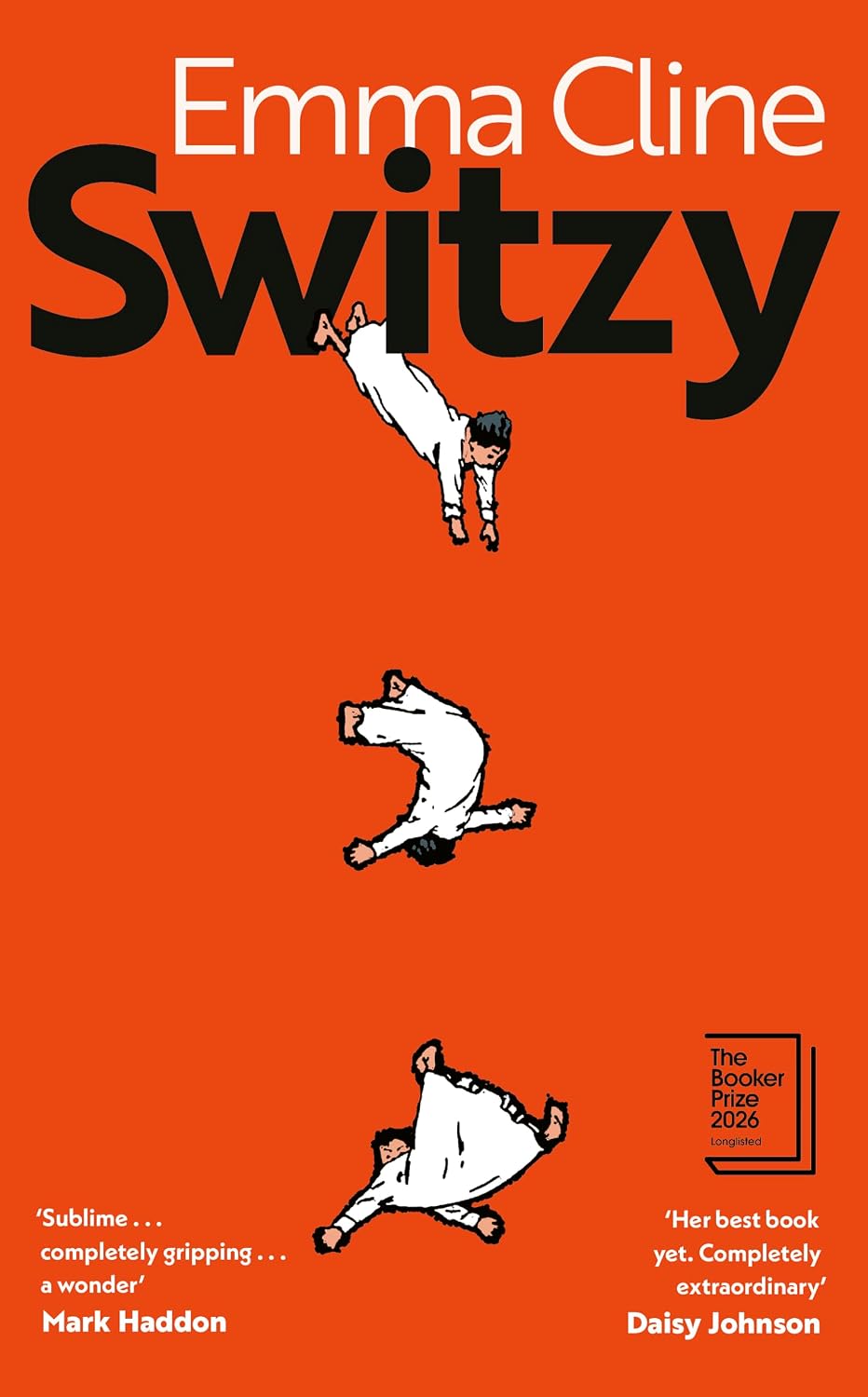
David is a retired executive whose memory is going. He is on a private jet crossing Europe toward an assisted-dying clinic in Zurich, with his assistant Cody in the next seat.
Cline is probably the most commercially visible name on the Booker Prize 2026 longlist, and on the evidence of The Girls and The Guest she is very good on rich people and the machinery that keeps them comfortable, and the judges praised her on exactly that: the jets, the heirloom watches, and what all of it costs socially.
They called the result “immersive, elegiac, and very real”. Note the publication date, which is unusually late in the cycle.
3. Helen of Nowhere by Makenna Goodman
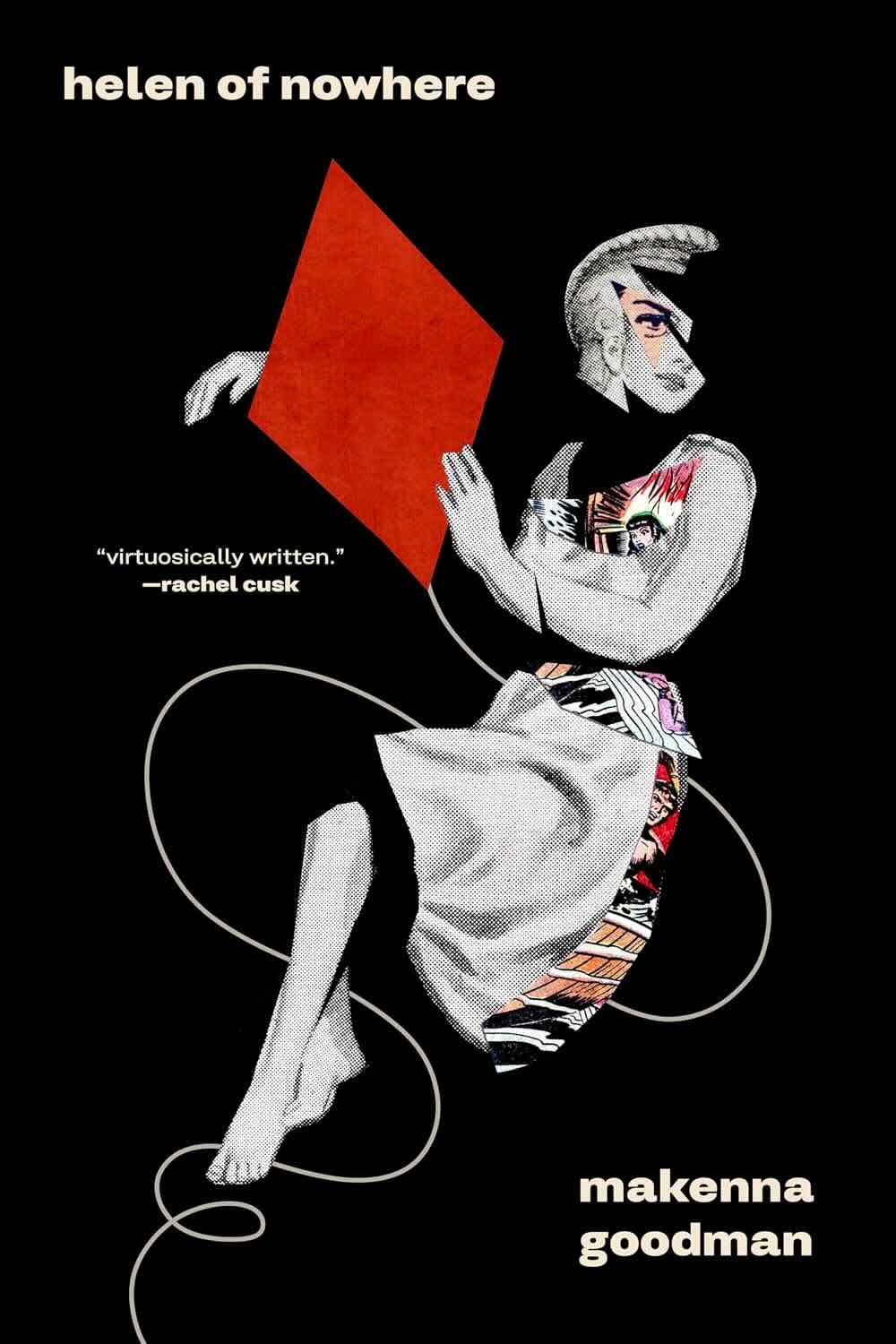
A realtor shows a disgraced professor, named only as “Man”, around a country house, talking all the while about Helen, who used to live there. Then the asking price turns out to be considerably stranger than money.
Four characters, just over 140 pages, and a form that refuses to settle: the judges opened their verdict with a question, asking whether this is a novel or a play.
They called it philosophically, politically and spiritually adventurous, and said it “has the power to transform”.
The shortest book on the Booker Prize 2026 longlist, and the one most likely to start an argument about what a novel is.
4. The End of Everything by M. John Harrison
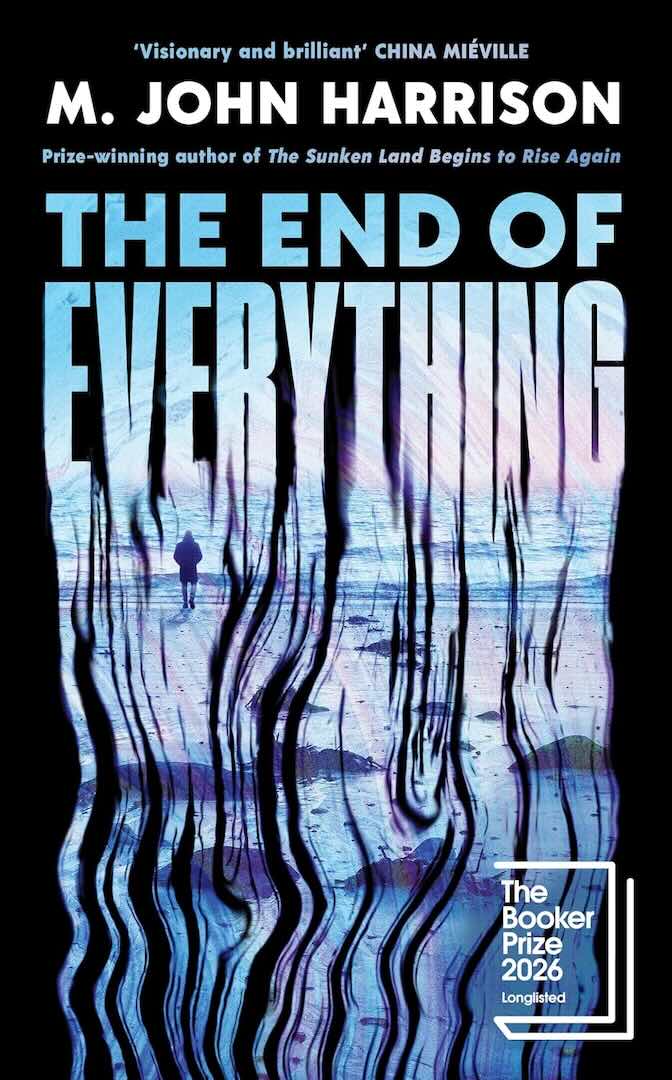
Phillip Tennent scavenges the Kent tideline in a Britain that has come through some unspecified crisis. The sea starts producing something that imitates human speech, and then human form.
This is Harrison’s first novel in six years, from a writer with thirteen novels, five story collections and an anti-memoir behind him, and China Miéville’s cover line calls him visionary.
The judges gave it the most unqualified verdict on the list: a book “not just about everything but about now”, shimmering and oblique, holding the reader at the surface of something grave and deep.
5. The Disappearers by Marlon James
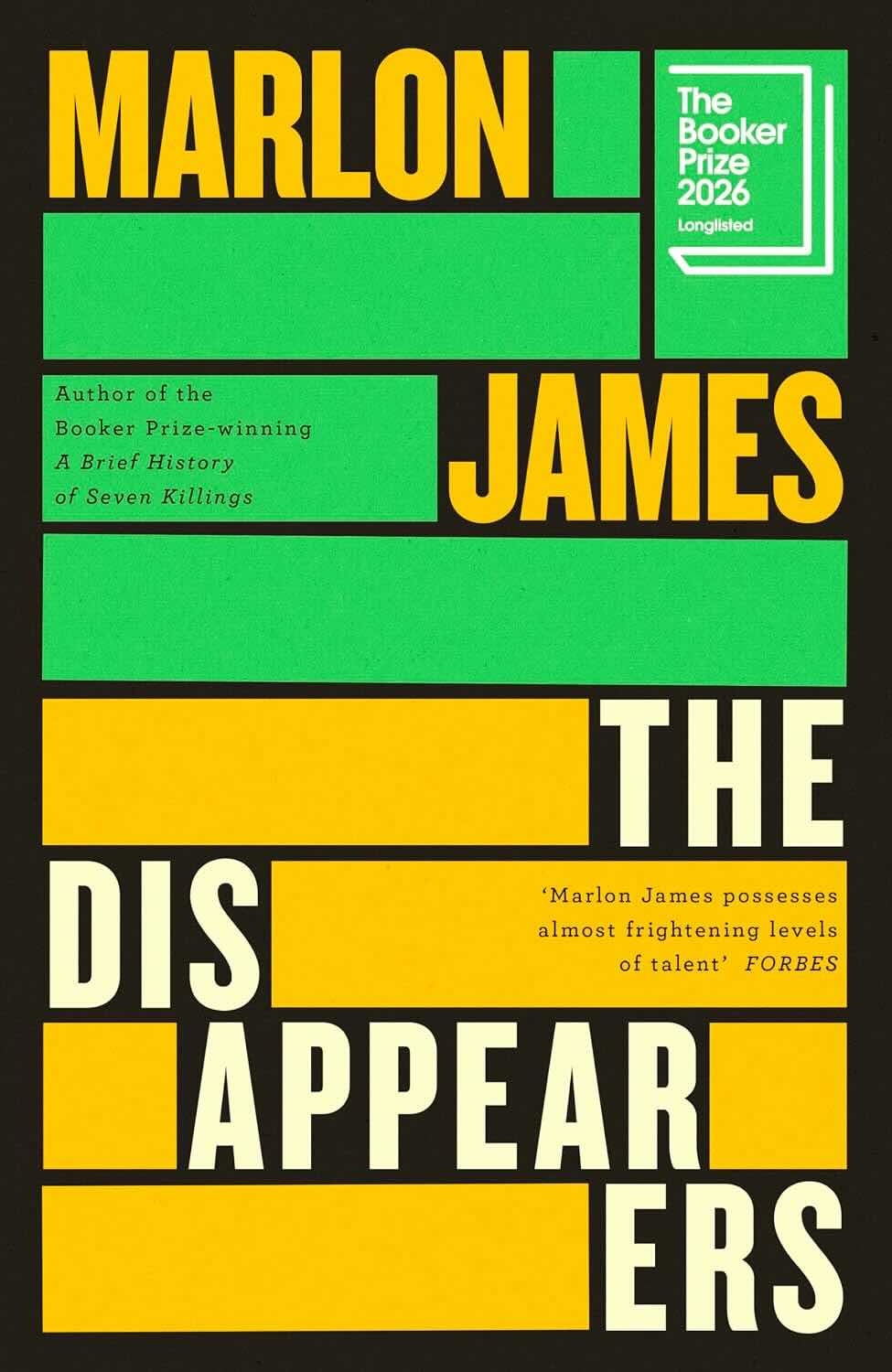
Kingston, 1988. Eight gay men rehearse what is being billed as Jamaica’s first openly gay play. A mob attacks, one of them is killed, and a survivor sets out to find what happened to the others.
At more than six hundred pages it is comfortably the longest book on the Booker Prize 2026 longlist, and the most obviously ambitious. James won in 2015 for A Brief History of Seven Killings.
The judges said it moves into territory Caribbean literature has rarely dared to occupy, that it begins as theatre and turns into “a reckoning”, and called James a singular literary talent.
6. Black Bag by Luke Kennard
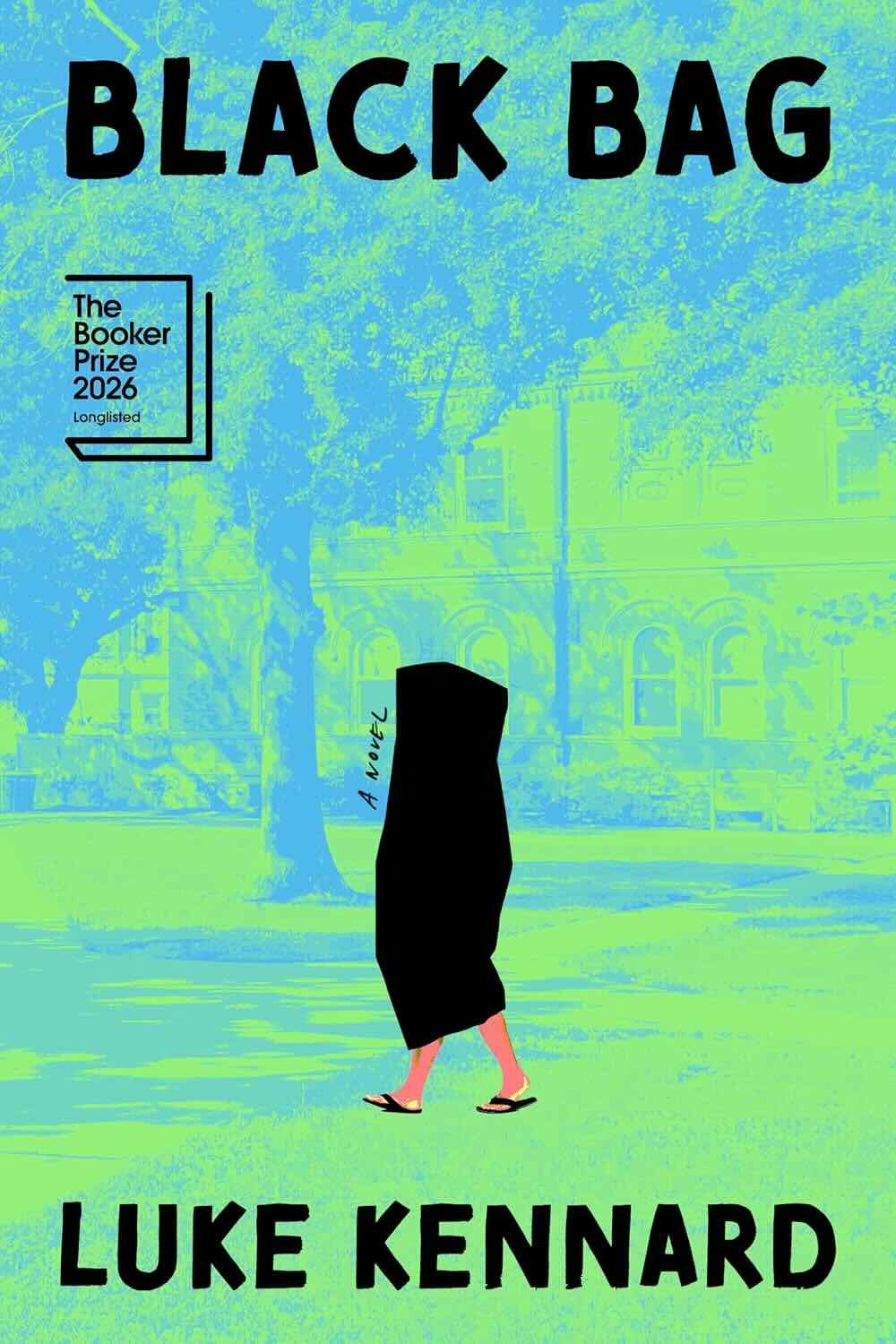
An out-of-work actor is paid to attend university lectures zipped inside an oversized black bag, as part of a psychology experiment run by one Dr Blend. Campus satire, crypto rackets, and the state of men.
Kennard has seven poetry collections behind him and this is his third novel, which shows in the sentences. The judges admired the craft, the humour and, in a phrase prize committees rarely commit to print, the memorable sex scenes.
They also predicted arguments about modern masculinity, which they summarised as fractious and confused. Inspired by a true story, and unrelated to the 2025 spy film of the same name.
7. The Renovation by Kenan Orhan
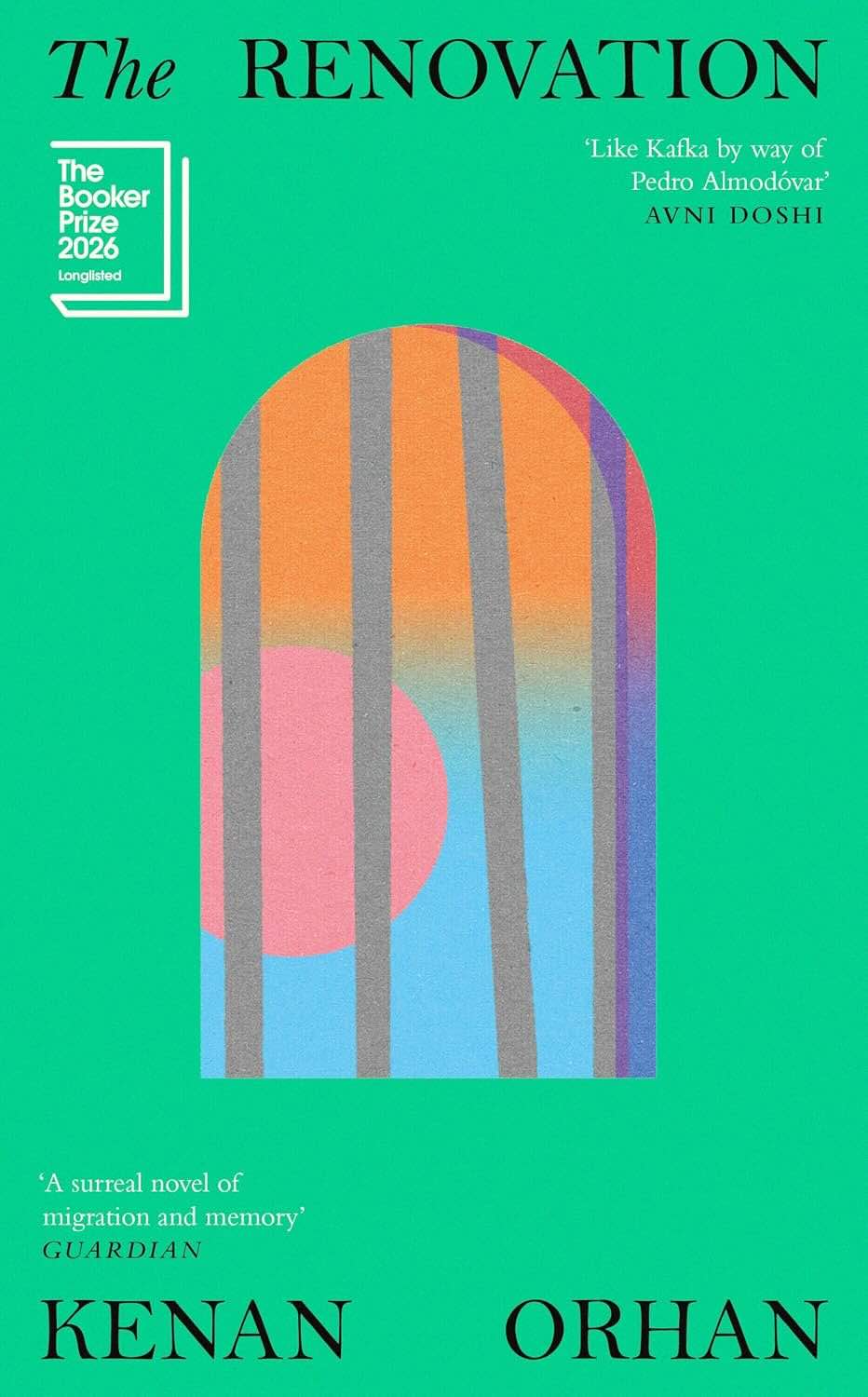
Dilara hires builders to put in a bathroom. They install a functioning Turkish prison cell instead, and it turns out to be a portal back to Istanbul. Meanwhile her father has dementia.
A debut, grown out of a short story published in the Atlantic, and the book that made the panel laugh out loud, though the judges were careful to say the humour has a decidedly unsettling side.
Their verdict ties the whole thing to the forms imprisonment takes, from dementia to exile. Orhan would be the first writer of Turkish heritage to win the prize.
8. May We Feed the King by Rebecca Perry
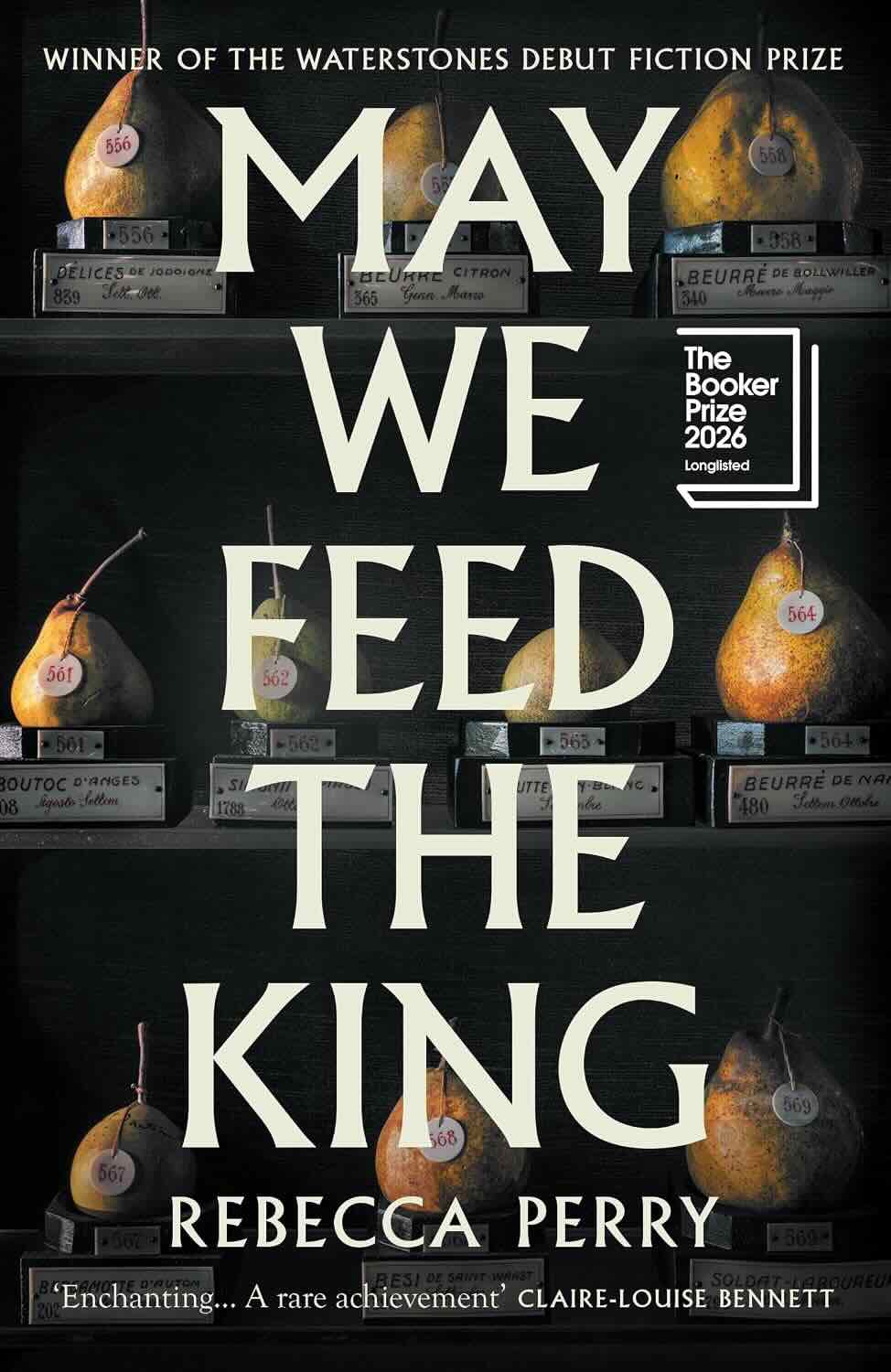
A museum curator stages historical banquets using fake pies. Braided through that is the story of a medieval king who never wanted the throne and is rushed onto it anyway.
Perry’s debut already won the Waterstones Debut Fiction Prize in July 2026, which makes her the one newcomer on the Booker Prize 2026 longlist arriving with momentum.
The judges liked the combination of themes and the delicacy of the weave, and pointed at what the book does with the boundary between present and past. Perry competed internationally as a trampolinist before she wrote it, which is the kind of detail no publicist could invent.
9. The Palm House by Gwendoline Riley
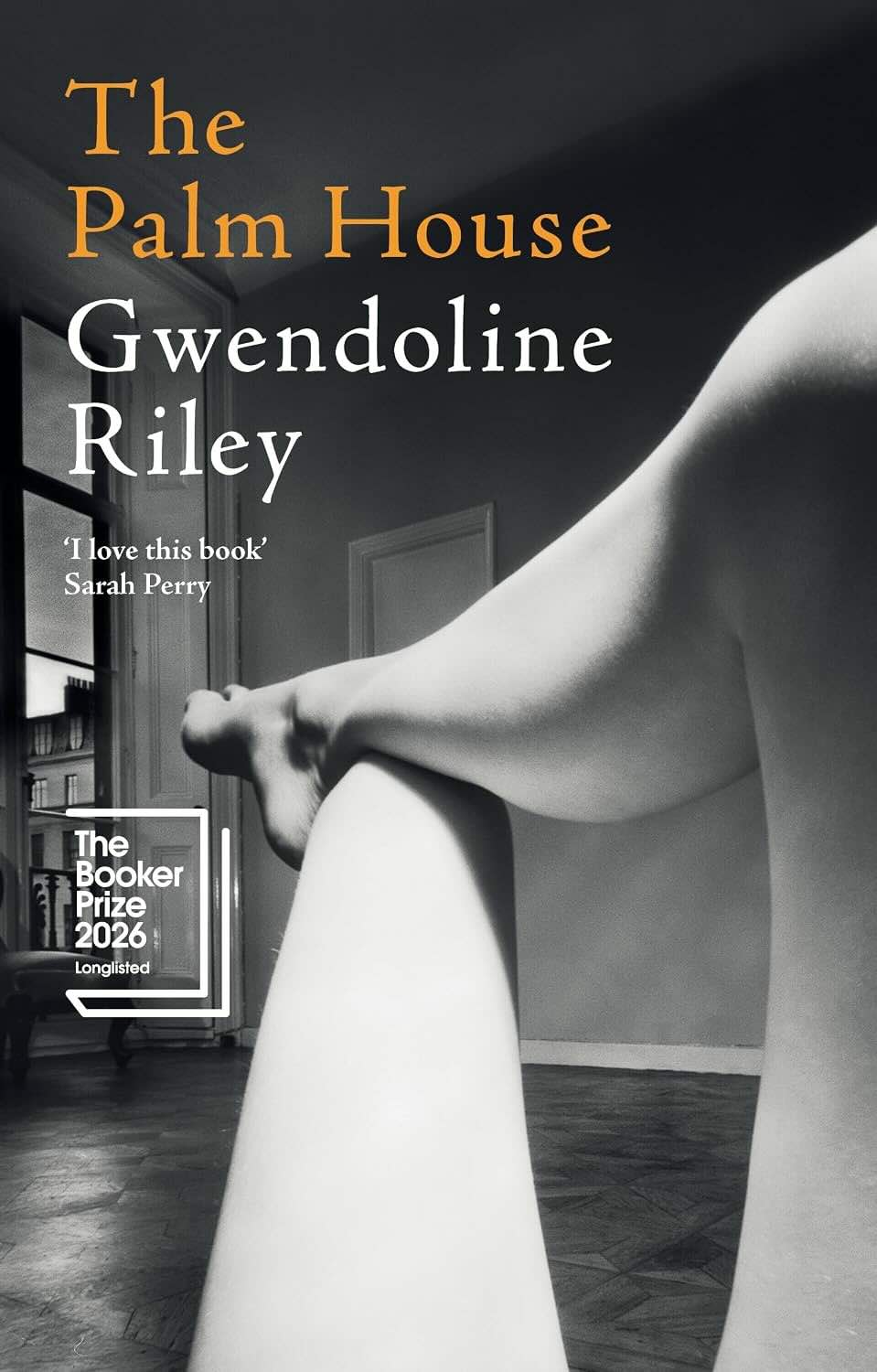
Laura Miller and Edmund Putnam, friends for a long time, in a pub by the Thames. He loses his father, and then loses his magazine to a new editor rejoicing in the name Simon “call me Shove” Halfpenny.
Riley’s eighth book, and the judges reached for the highest possible compliment on dialogue, placing it near Henry Green. They called the novel minimalist, precise and indelible, and read it as a portrait of the thing we vaguely call the Establishment.
Sarah Perry’s cover line is simply that she loves it.
10. The Things We Never Say by Elizabeth Strout
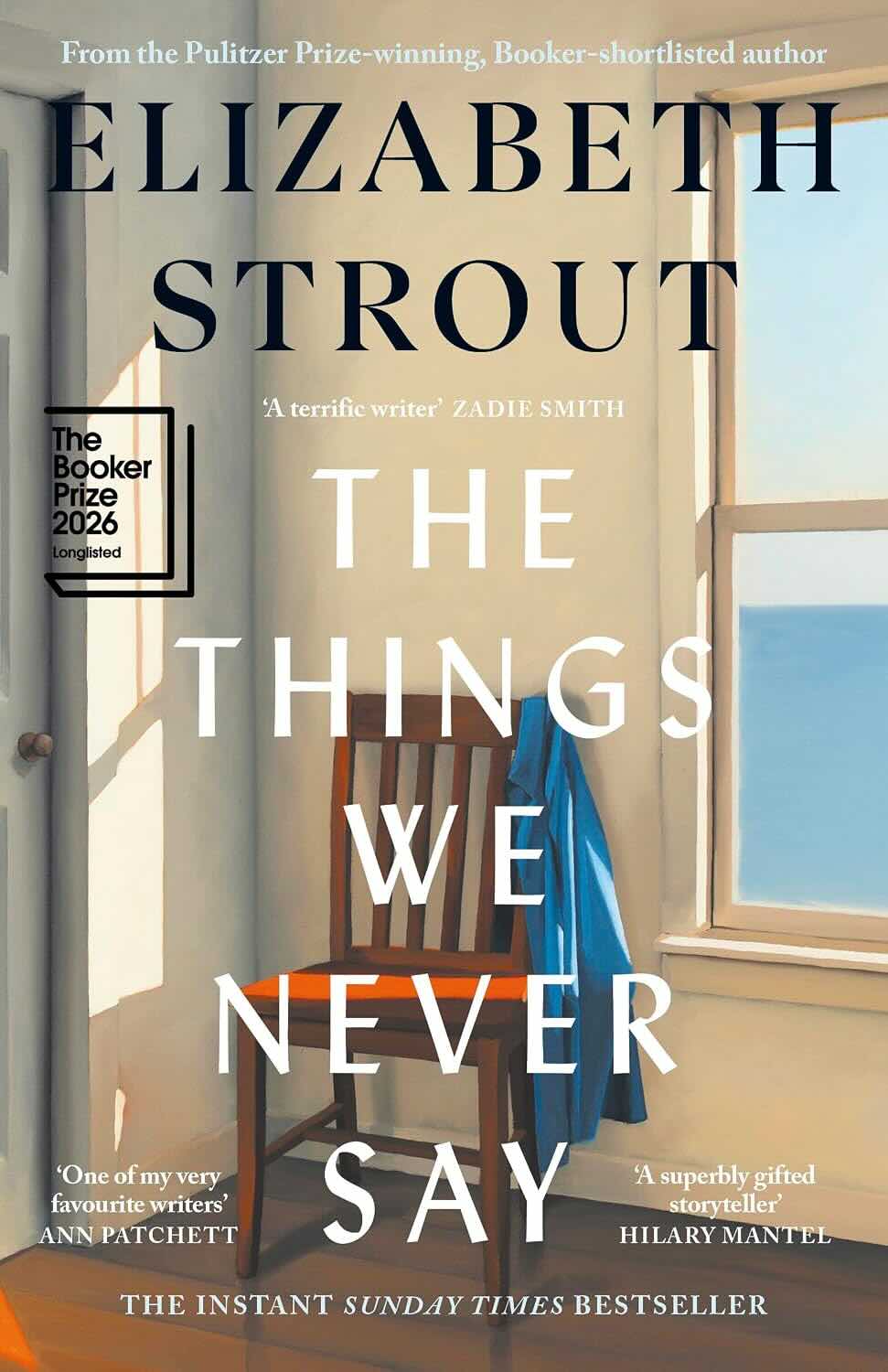
Artie Dam teaches high school history in coastal Massachusetts and is carrying a secret. Then he learns that life has been keeping one from him.
Strout’s eleventh novel, and her third Booker nomination after the 2022 shortlisting for Oh William! and the 2016 longlisting for My Name Is Lucy Barton. The judges called it a devastating look at the cracks in family life and praised prose that is understated and stronger for it.
We have reviewed it in full: small in scope, enormous in feeling, and uneven in places, but its best pages do something very few writers manage.
11. John of John by Douglas Stuart
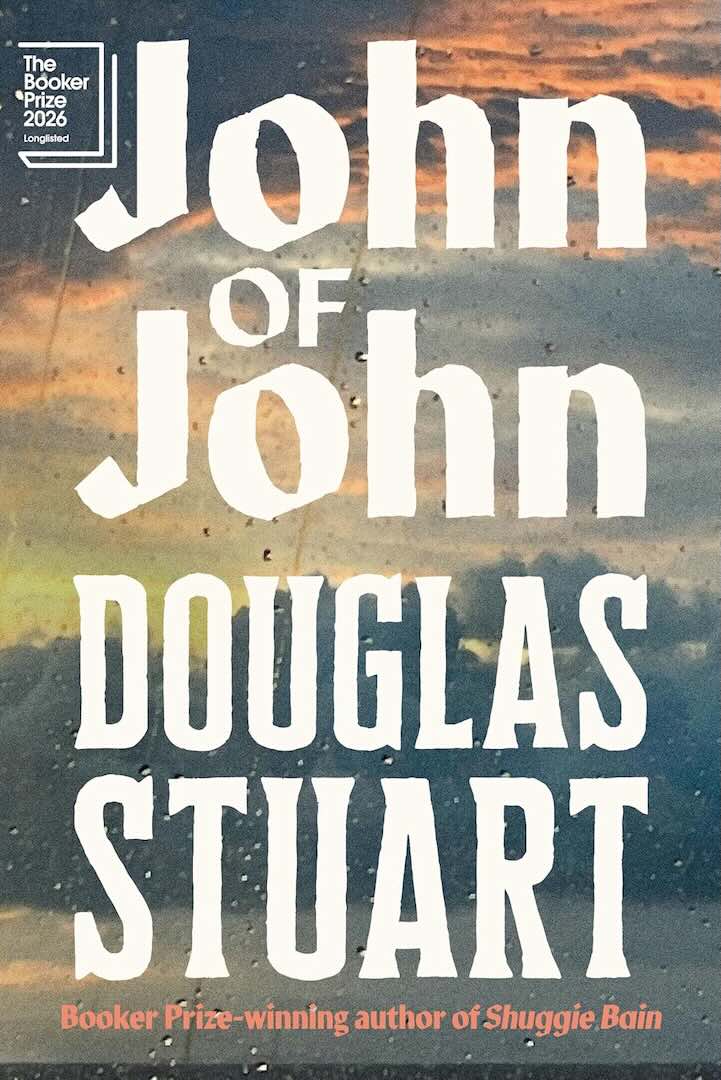
John-Calum MacLeod comes back from art school to the Isle of Harris in the 1980s, into the space between his Presbyterian sheep-farmer father John and his Glaswegian grandmother Ella.
Stuart won the prize in 2020 for Shuggie Bain and leaves Glasgow behind here for rain, rock and Gaelic psalm.
The judges called it an excavation of family, violence and shame, woven with imagistic detail and, they noted with some surprise, shades of hope. Our full review is here: not the easiest of his books to love, and that is partly the design.
12. All Them Dogs by Djamel White

Tony Ward goes back to West Dublin gangland and finds himself drawn to an enforcer called Darren “Flute” Walsh, in more ways than one.
A debut, and the work of the youngest author on the Booker Prize 2026 longlist: White is 28, and has managed a tattoo shop.
The judges called the portrait ballsy and unsentimental, singled out an ear for dialogue that is racy and real, and made a point of the subtle, textured humanity running under the violence. That last clause is usually the one that carries a book from longlist to shortlist.
13. The Vivisectors by Missouri Williams
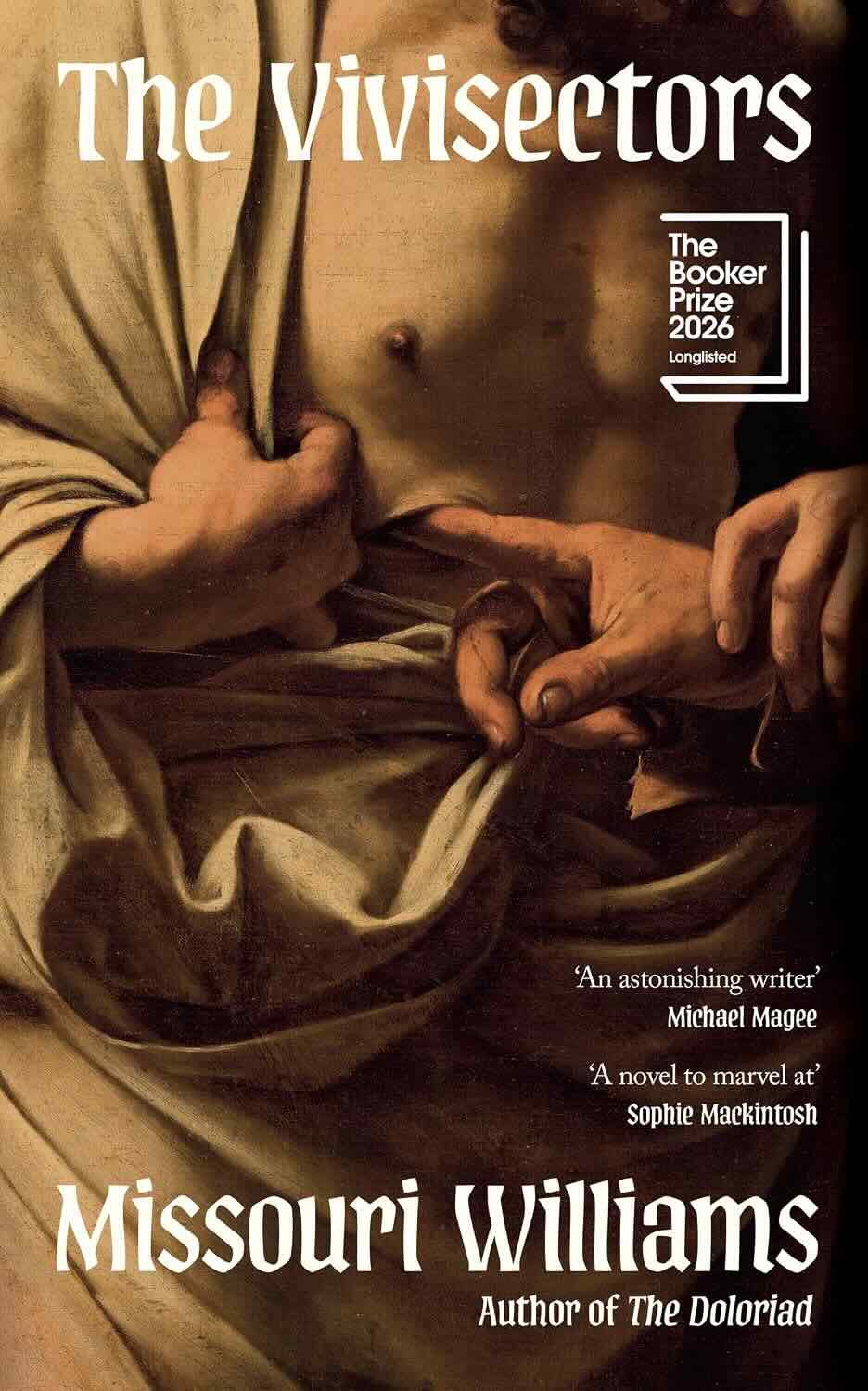
A university city is being swallowed by vegetation and held in an uneasy balance between the academics and a faction of rogue gardeners.
Agathe is instructed to befriend a student at the centre of a campus scandal. Williams follows The Doloriad with this, and Sophie Mackintosh calls it a novel to marvel at.
No entry on the Booker Prize 2026 longlist drew a more excited verdict: the judges called it a bracing antidote to the cosy campus novel and to dark academia, then described it as genuinely experimental, relentlessly and rollickingly told, and in places truly menacing.
Themes and Trends Across the Booker Prize 2026 Longlist
Three patterns run through the Booker Prize 2026 longlist, and none of them is the one prize lists usually offer.
The first is confinement. It is extraordinary how many of these books are about being held somewhere: a prison cell fitted where a bathroom should be, a man zipped into a bag, a memory closing down on a private jet, a survivor trapped in the aftermath of an attack, a professor pinned inside a house he cannot afford. Dementia, exile, class, an island in winter. The judges named the theme explicitly when they wrote about The Renovation, and once you see it you cannot stop seeing it.
The second is form. Six of the thirteen run under 250 pages. One of them openly asks whether it is a play. Another is told in the vocabulary of pre-cinema optical toys. Two are by poets working in prose. Set against this, The Disappearers is over six hundred pages, which makes the spread of ambition on this list unusually wide. The Booker has form on both extremes: Penelope Fitzgerald’s Offshore won at 132 pages in 1979, and Eleanor Catton’s The Luminaries won at 832 in 2013.
The third is comedy, which is the genuine surprise. Prize lists are usually solemn. This one has a satire with a bag in it, a fantasy that made judges laugh aloud, a novel described as rollicking, and a curator serving fake pies to the public. Rebecca Liu said she is drawn to fiction that is “freaky, filthy and funny”, and the evidence of the list is that she was not outvoted.
The Judges’ Perspective on the Booker Prize 2026 Longlist
The panel matters more than usual this year, because it is not a panel of the usual people.
Mary Beard chairs: classicist, Cambridge professor for over thirty years, author of SPQR and Pompeii, broadcaster, British Museum trustee. She set the tone with the line everyone has quoted since, that “Great books are not cosy”, and her hope that these are dynamite. She also did the arithmetic in public: judges each read 163 books, and once you count re-reading, that is close to a book a day.
Patricia Lockwood was shortlisted herself for No One Is Talking About This, writes for the London Review of Books, and described her triage method with characteristic bluntness: “Act like the books are dying bodies in a hospital.”
Raymond Antrobus is a British-Jamaican poet, diagnosed deaf at six, the first poet to win the Rathbones Folio Prize, with four poems on the GCSE syllabus. He says reading is a muscle and gave submissions three hours every morning.
Jarvis Cocker formed Pulp at school in 1978, presented Sunday Service on 6 Music, and spent two years as editor-at-large at Faber. His observation on the process is the most honest thing any judge said: read 163 books in seven months and you stop reading them as books and start comparing them to each other.
Rebecca Liu edits at the Guardian’s Saturday magazine and has written for the Observer, the FT and the TLS.
Put those five in a room and the shape of the Booker Prize 2026 longlist stops being a mystery. A classicist who wants danger, a poet, a formally adventurous novelist, a pop musician and a critic who wants filth and jokes are never going to produce a list of tasteful family sagas.
Author Spotlight: Records in Play on the Booker Prize 2026 Longlist
Several records are live at once on the Booker Prize 2026 longlist, which is rare.
M. John Harrison is 81. If he wins he becomes the oldest winner in the prize’s history, past Margaret Atwood, who was 79 for her joint win in 2019. Harrison also judged the prize himself in 2022, and judges do occasionally come back as winners.
Djamel White is 28, the youngest on the list, with a debut and a former job managing a tattoo shop.
Two former winners are here, which the prize likes to advertise and history does not much reward. Only four writers have ever won the Booker twice: Coetzee in 1983 and 1999, Carey in 1988 and 2001, Mantel in 2009 and 2012, Atwood in 2000 and 2019. Stuart won in 2020, James in 2015, and the base rate for a repeat is brutal.
Elizabeth Strout is the nearly-woman. Longlisted 2016, shortlisted 2022, longlisted now. Three nominations, no win.
Three debuts, against six debut winners in fifty-seven years, most recently Shuggie Bain.
The full list of Booker winners is worth a look if you want to see how thin some of these precedents are. And the back stories are unusually good this year: Stuart worked in fashion design, James wrote advertising copy, Cline describes herself as a very bad child actor, and Strout was by her own account a terrible lawyer.
Publisher Spotlight on the Booker Prize 2026 Longlist
Penguin Random House takes five places through Chatto & Windus, Hamish Hamilton and Viking. Picador and John Murray take two each, 4th Estate one.
The number worth noting is three: Fitzcarraldo Editions, Serpent’s Tail and Granta, all independents, all with a book here. Fitzcarraldo in particular has built a habit of publishing writers who go on to win things, and Helen of Nowhere is exactly the sort of formally uneasy short book that has become its signature. On a Booker Prize 2026 longlist this receptive to risk, that is not a token presence.
Predictions and Analysis: Ranking the Booker Prize 2026 Longlist
A caveat with teeth. We have read two of these thirteen books so far and are working through the rest, which means what follows is a prediction about a prize, not a judgement of the prose. It is built from what can actually be known now: the judges’ own published verdicts and the appetites they have declared, the panel’s composition, the prize’s historical behaviour around debuts and repeat winners, publication timing, and each writer’s career position. We will revise it on 22 September, when the shortlist tells us how badly we read the room, and settle up on 9 November.
Ranked from most likely to win to least.
- The End of Everything by M. John Harrison. The judges’ verdict on it is the least hedged sentence they wrote about anything, this is exactly the panel for oblique late-career work, and the age record would give the ceremony its story. Our pick, provisionally, and we will say so louder once we have read it.
- The Vivisectors by Missouri Williams. “Genuinely experimental, relentlessly and rollickingly told” reads like a panel that has already fallen for a book. If the shortlist confirms it, move it up.
- The Disappearers by Marlon James. The most ambitious book here by some distance, with Antrobus in the room and a subject the judges said Caribbean literature has rarely touched. Only the second-win precedent holds it off the top.
- Black Bag by Luke Kennard. Liu wants freaky, filthy and funny; this is the book that is all three. When judges predict a book will start arguments, they usually intend to give it the platform.
- Helen of Nowhere by Makenna Goodman. Fitzcarraldo, 140 pages, and a form nobody can name. “The power to transform” is a strong phrase for judges to sign off on.
- The Things We Never Say by Elizabeth Strout. The quiet-novel lane exists and won as recently as Orbital, and a third nomination without a win creates its own pressure. But this panel said cosy is the enemy.
- The Renovation by Kenan Orhan. A debut that made judges laugh out loud, with a serious argument underneath and a first-Turkish-heritage-winner narrative attached. Debut maths is the obstacle.
- The Palm House by Gwendoline Riley. The Henry Green comparison is the single highest compliment paid to any book on the list. Chamber novels this austere rarely survive a five-way consensus, though.
- The Shadow of the Object by Chloe Aridjis. “Mysterious and free-wheeling” is affectionate rather than urgent. The first-Mexican-heritage-winner story is there if the panel wants it.
- John of John by Douglas Stuart. The repeat-winner problem is severe, and our own reading found a book that keeps the reader at arm’s length by design. Shortlist plausible, win unlikely.
- All Them Dogs by Djamel White. A debut, and the judges’ praise leans on voice and authenticity rather than ambition. A shortlist place would be a fine result.
- May We Feed the King by Rebecca Perry. The Waterstones win is real momentum, but “delicacy of touch” is not the vocabulary of a panel that asked for dynamite.
- Switzy by Emma Cline. Warm verdict, wrong calendar. It publishes on 10 September, twelve days before the shortlist, so it reaches the shortlist meeting with almost no critical groundswell behind it.
Take the whole thing as a starting position rather than a settled view. We will have read all thirteen by the time it matters.
The Last Word on the Booker Prize 2026 Longlist
What makes this year interesting is not that the books are good, which is the least a longlist can promise. It is that the panel seems to have picked argumentatively rather than diplomatically. A list assembled by consensus produces safe, admirable novels that nobody objects to. A list with a bag, a prison cell, a talking sea and a gardening insurgency on it is a list where five people fought.
Full details of every title, plus extracts and judge interviews, sit on the official Booker Prize site, and the prize’s own long history of surprises is useful context for anyone tempted to bet. For comparison, our coverage of the 2024 longlist and the 2024 shortlist shows how quickly thirteen becomes six.
Six of these books go through on 22 September. We will be reading all thirteen either way, and this page will carry every review as it appears. The Booker Prize 2026 longlist deserves that much: it is the first list in a while that looks like it was chosen by people who wanted to be surprised.







