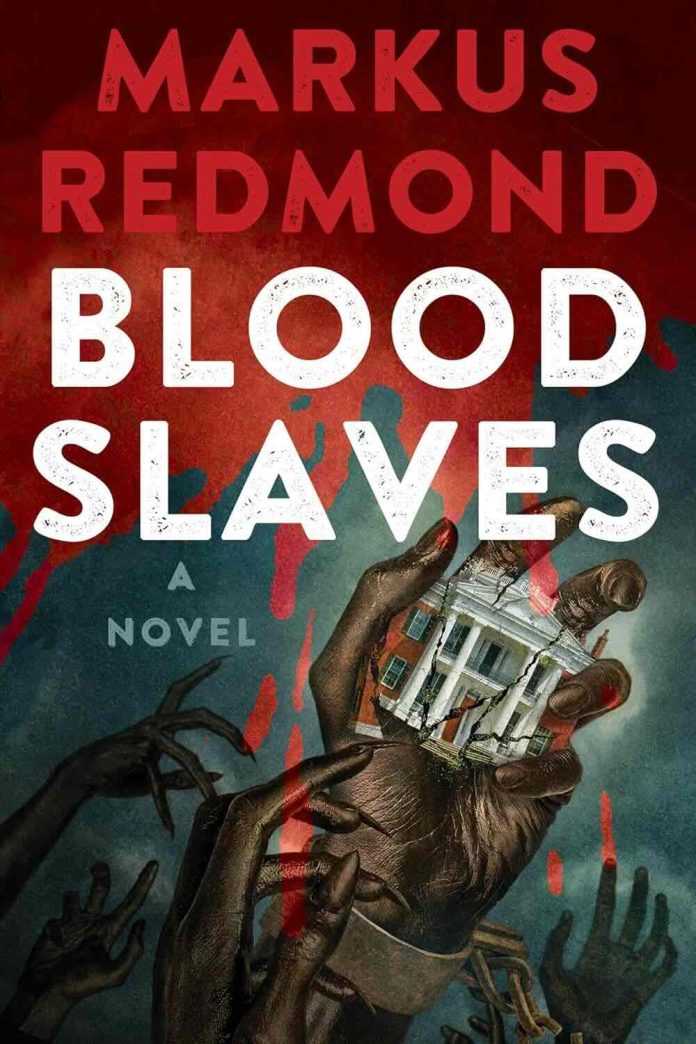
In the crowded landscape of vampire fiction, Blood Slaves by Markus Redmond emerges as something genuinely revolutionary—a work that doesn’t just add to the supernatural horror canon, but fundamentally reshapes it. This is not your typical vampire tale of brooding immortals and gothic romance. Instead, Redmond has crafted a visceral, historically grounded narrative that uses the vampire myth to explore one of America’s darkest chapters with unflinching honesty and devastating power.
A Bold Historical Foundation
Set in 1710 in the Province of Carolina, Blood Slaves follows Willie, an enslaved man working under the brutal regime of plantation owner James “Big Jim” Barrow. Redmond’s commitment to historical authenticity is immediately apparent in his meticulous attention to period detail, from the dialect patterns of enslaved communities to the brutal realities of rice plantation labor. The author doesn’t sanitize the horror of slavery but presents it with the full weight of its cruelty, creating a foundation that makes the supernatural elements feel not just plausible, but necessary.
The historical context isn’t merely window dressing. Redmond weaves actual historical elements into his narrative—references to the Quaker abolition movement, the complex dynamics between colonial powers and Indigenous peoples, and the economic structures that sustained plantation slavery. This grounding gives the fantastical elements tremendous emotional weight and transforms what could have been simple revenge fantasy into something far more profound.
Character Development That Transcends Archetype
Willie’s transformation from plantation slave to Kwadzo, leader of the Ramangan revolt, represents some of the most compelling character development in recent supernatural fiction. Redmond avoids the trap of creating a simple victim-to-hero arc. Instead, Willie/Kwadzo’s journey is fraught with moral complexity, personal cost, and genuine internal conflict. The decision to embrace vampirism isn’t portrayed as empowerment fantasy but as a sacrifice that costs him his humanity while potentially saving his people.
Gertie, Willie’s pregnant partner, serves as the moral conscience of the narrative. Her opposition to Willie’s transformation isn’t rooted in fear of the supernatural but in a deeper understanding of what violence does to the soul. Her refusal to simply accept Willie’s decision creates genuine tension that drives much of the book’s emotional core. The scene where she slaps Willie for choosing vampirism over their family’s immediate safety resonates with the weight of genuine relationship conflict.
Rafazi, the last of the Ramanga tribe, could easily have been a stock mentor figure, but Redmond imbues him with centuries of weariness and genuine complexity. His seven-hundred-year existence has been marked by both evil and isolation, making his role as liberator genuinely uncertain. The question of whether he’s offering salvation or damnation hangs over the entire narrative.
The Horror of Historical Truth
Perhaps the most striking aspect of Blood Slaves is how Redmond balances two distinct types of horror. The supernatural elements—vampiric transformations, blood feeding, superhuman violence—are visceral and genuinely frightening. But they pale in comparison to the historical horror of slavery itself. The “hot box” torture, the casual dehumanization, the sexual violence—these elements carry a weight that no fictional monster can match.
This balance is where Redmond’s skill as a writer truly shines. He never allows the supernatural elements to overshadow or minimize the historical horrors. Instead, the vampirism becomes a metaphor for the kind of transformation that systematic oppression might drive people toward. The question isn’t whether the enslaved people are justified in their violent rebellion—it’s what the cost of such transformation might be.
Language and Authenticity
Redmond’s handling of period-appropriate dialogue deserves particular praise. The speech patterns of enslaved characters feel authentic without becoming cartoonish, while the white characters’ language captures both their casual cruelty and their underlying fear. The transition from Willie to Kwadzo is marked not just by supernatural transformation but by linguistic reclamation—the recovery of his true name becomes a powerful moment of identity assertion.
The author’s background research is evident throughout. References to West African kingdoms, the specific brutalities of rice cultivation, and the complex relationships between enslaved people and Indigenous communities all feel grounded in historical reality rather than generic period flavor.
Supernatural Elements That Serve the Story
The Ramanga mythology that Redmond creates feels both fresh and rooted in genuine African folklore traditions. These aren’t European vampires with different skin tones—they’re creatures with their own cultural history, their own relationship to power, and their own moral complexity. The vampirism doesn’t just grant supernatural abilities; it creates a new form of community and identity that transcends the boundaries imposed by slavery.
The transformation scenes are particularly well-handled. Rather than focusing purely on the horror or the power fantasy aspects, Redmond emphasizes the cost—the literal death that precedes rebirth, the loss of humanity that comes with supernatural power, and the moral weight of becoming something that must feed on human life to survive.
A Few Areas for Growth
While Blood Slaves succeeds brilliantly in most areas, there are moments where the pacing stumbles slightly. The middle section, dealing with the practical aspects of vampire transformation and the building of the rebellion, occasionally feels rushed compared to the careful character development of the opening and the explosive action of the climax.
Some readers might find the violence level challenging, though it’s important to note that the most disturbing scenes generally involve historical rather than supernatural brutality. Redmond includes appropriate content warnings, but the book doesn’t shy away from depicting the full horror of its historical setting.
The romance subplot between Willie/Kwadzo and Gertie, while emotionally powerful, occasionally feels underdeveloped compared to the political and supernatural elements of the story. Their relationship carries tremendous thematic weight, but some of their personal moments could have used more space to breathe.
Literary Significance and Impact
Blood Slaves accomplishes something genuinely rare in genre fiction—it uses supernatural elements to illuminate historical truth rather than escape from it. This isn’t escapist fantasy but confrontational literature that forces readers to grapple with uncomfortable realities about American history and the ongoing legacy of racial oppression.
The book’s alternate history elements raise fascinating questions about how different American development might have been if enslaved people had possessed supernatural power to resist their oppression. The final image of the “Crimson Plantation” as a multiracial, indigenous-allied community represents a powerful vision of what liberation might have looked like.
Similar Works and Broader Context
Readers drawn to Blood Slaves might appreciate N.K. Jemisin’s The Fifth Season, which similarly uses fantasy elements to examine systemic oppression, or Octavia Butler’s Fledgling, which explores vampirism through the lens of racial dynamics. For historical horror, Victor LaValle’s The Ballad of Black Tom offers another example of genre fiction confronting America’s racist legacy.
The book also joins a growing movement of authors reclaiming horror tropes from marginalized perspectives. Like Jordan Peele’s films or Tananarive Due’s African Immortals series, Blood Slaves demonstrates how supernatural horror can be used to explore real-world trauma and resilience.
Final Verdict
Blood Slaves is a remarkable debut that announces Markus Redmond as a significant new voice in both horror and historical fiction. This is essential reading not just for vampire fiction enthusiasts, but for anyone interested in how genre literature can engage with historical trauma and social justice themes.
The book succeeds as supernatural horror, historical fiction, and social commentary without sacrificing any of these elements for the others. It’s a work that will likely spark important conversations about history, justice, and the role of violence in liberation movements.
For readers willing to engage with challenging material, Blood Slaves offers one of the most powerful and original takes on vampire mythology in recent memory. It’s a book that will stick with you long after the final page, not just for its supernatural thrills, but for its unflinching examination of what freedom costs and what it means to reclaim power from those who would deny your humanity.
This is the rare horror novel that’s truly necessary—not just entertaining, but essential. Redmond has created something special here, and readers should prepare themselves for a literary experience that’s as transformative as it is thrilling.
Recommended Similar Reads
- The Fifth Season by N.K. Jemisin – Fantasy exploring systematic oppression
- Fledgling by Octavia Butler – Vampirism through racial lens
- The Ballad of Black Tom by Victor LaValle – Horror confronting racist legacy
- African Immortals series by Tananarive Due – Horror from marginalized perspectives
- Ring Shout by P. Djèlí Clark – Historical fantasy with social justice themes







