 1
1 2
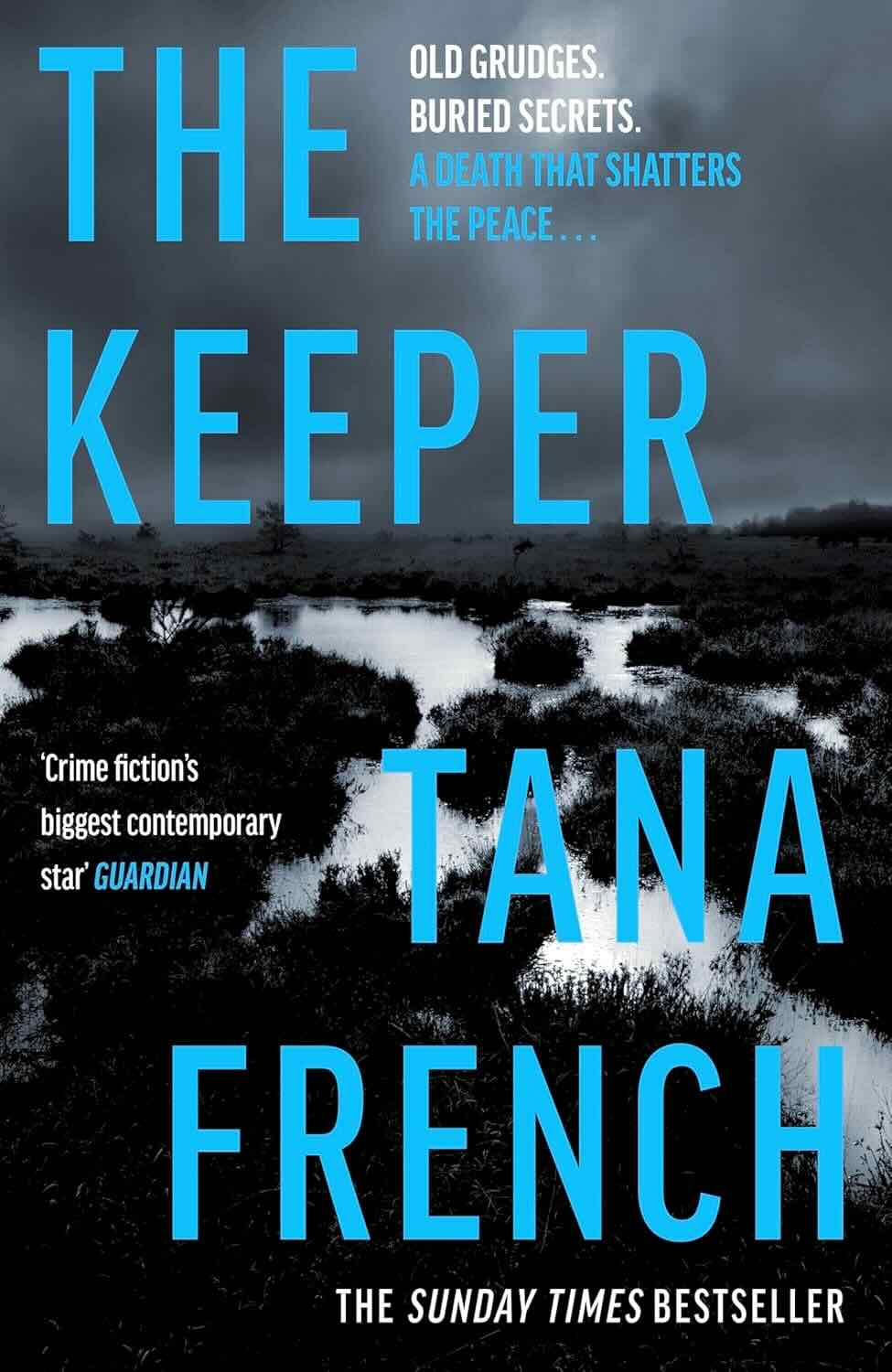
2There is a particular type of cold that settles over Ardnakelty in November — the kind that hangs in the air as fine mizzle, coating everything it touches in a layer that only feels wet once you get indoors. Tana French has always known that a great crime novel lives inside its weather, and The Keeper by Tana French is no exception. The Irish landscape breathes through every page of this third and final book in the Cal Hooper trilogy, as alive and watchful as any character in the cast.
But before anyone rests comfortably in that atmosphere, a girl goes missing from the river.
Rachel Holohan — platinum-blond, sweet-natured, chatty, practically engaged to the local big shot’s son — is found dead in the water by Cal Hooper and his unofficially adopted teenager, Trey, in the cold hours before dawn. By morning, the verdict seems clear enough: a young woman undone by love. By nightfall, nothing is clear at all.
Coming Home to Ardnakelty
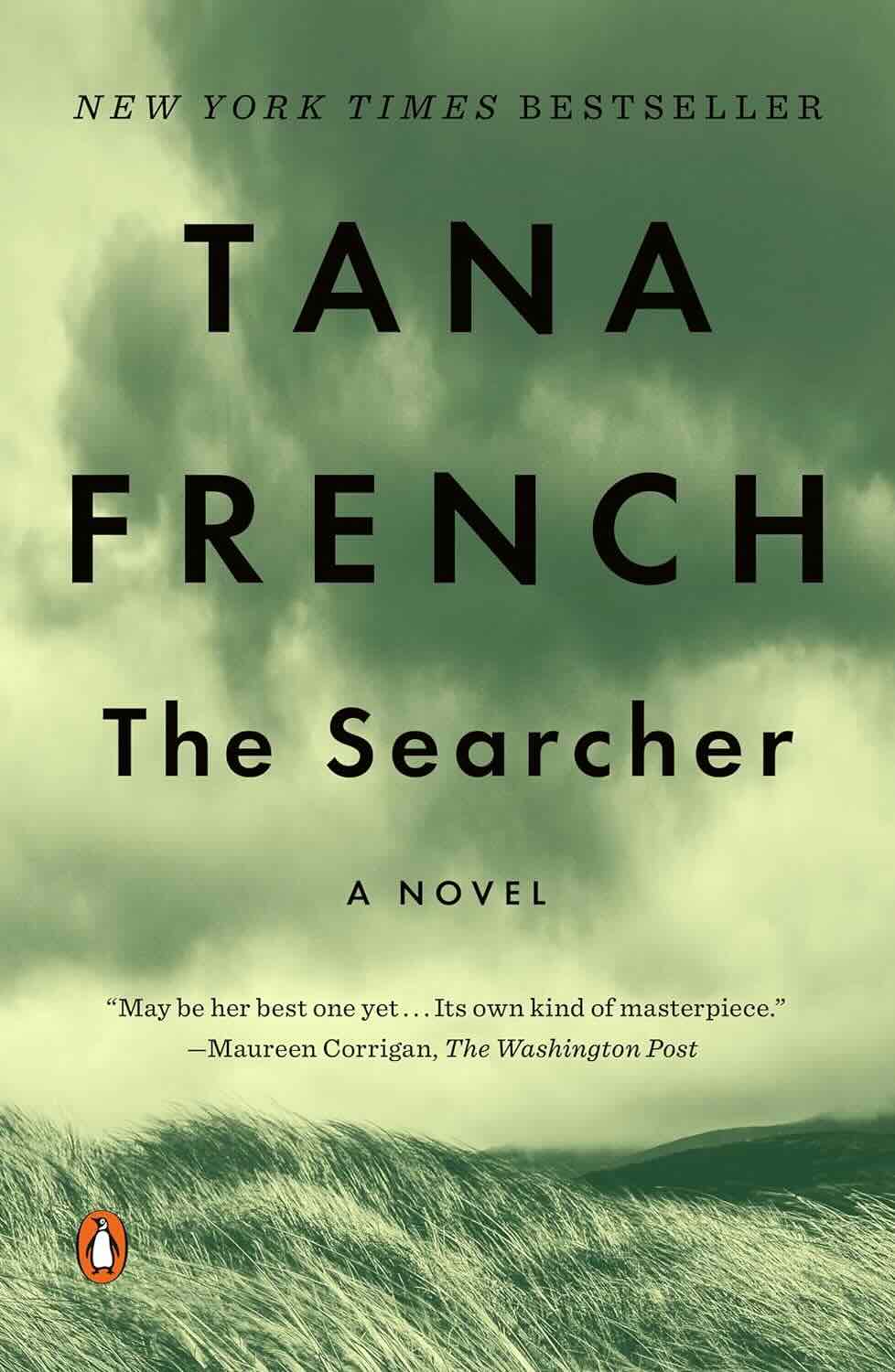
Those who have followed Cal Hooper from The Searcher through The Hunter will arrive at The Keeper by Tana French already half in love with Ardnakelty and its people. The retired Chicago detective who bought a crumbling cottage in the West of Ireland planning to disappear quietly has become anything but inconspicuous. He and Lena Dunne, his sardonic, formidably self-possessed “fiancée” (a designation both of them carry with bemused resignation), have built something real in this unlikely place. Trey Reddy, once a half-feral teenager who appeared in his back garden looking for her missing brother, is now an apprentice woodworker, a football player with a growing circle of friends, and as close to a daughter as Cal will ever have on this side of the Atlantic.
French opens the novel in this domestic warmth deliberately, generously. We spend chapters with the soufflé-making, the pub banter, Bobby Feeney’s hilariously ill-fated romance, and Mart Lavin — Cal’s wiry, pom-pommed, tobacco-stained neighbor — dispensing wisdom disguised as mischief. Readers expecting immediate plot momentum will find the pacing patient, almost defiant. French trusts that the world she has built is worth inhabiting for its own sake. She is right, but not every reader will extend the same patience.
The Crime at the Heart of Things
When Rachel’s death arrives, it arrives not as a single shock but as a slow crack spreading through the townland’s foundations. This is precisely where The Keeper by Tana French distinguishes itself from conventional crime fiction — the investigation (if it even is one) is inseparable from a fierce, decades-deep feud over land, power, and who gets to decide the future of a place that is quietly dying.
Tommy Moynihan, the local meat-plant magnate with a Range Rover the size of a buffalo and a talent for calling in favors from men in high places, becomes the novel’s central antagonist. His scheme for the townland’s future sits beneath the narrative like bedrock, and French peels it back with extraordinary patience. The way power operates in a small Irish village — the political debts, the silent intimidations, the people who will never say a word against the man because he employs their brothers — is one of the most nuanced portrayals of rural social dynamics in contemporary fiction.
What The Keeper gets exactly right is this: that a death like Rachel’s is never simple. It arrives trailing generations of grudges, carrying the weight of land politics, splitting families and friendships along fault lines that existed long before she was born. French never lets the reader forget that Rachel was a real person, warm and alive and gangly and imperfect — and yet the mechanisms of the townland immediately begin transforming her into either martyr or cautionary tale.
Prose That Earns Its Landscapes
French’s particular genius has always been atmospheric density. Her writing achieves something rare: it makes you feel the soil underfoot, hear the particular cadence of Hiberno-English dialogue, smell turf smoke. The Ardnakelty dialogue — with its “sure wouldn’tchaknow” and “I will in me hole” — is meticulous, funny, and deeply human without ever lapsing into caricature. The supporting ensemble, particularly Mart Lavin and the pub regulars, delivers some of the funniest and most genuinely moving scenes in the trilogy.
The dual perspective — Cal’s steady, increasingly rooted American pragmatism alongside Lena’s contained, watchful interiority — gives the novel an emotional richness that the earlier books only glimpsed. Lena in particular emerges here as a full protagonist in her own right, navigating the siege of the townland’s judgment with a kind of steely grace that will stay with readers long after the final page.
What Earns Praise, and What Gives Pause
The Keeper by Tana French is, by almost any measure, a deeply satisfying conclusion to a trilogy that redefined rural literary crime fiction. But a fair reading requires naming its tensions.
What works brilliantly:
- The community ensemble cast is richer and more fully realised than in either of the previous two books
- The thematic exploration of belonging, rootedness, and the slow erosion of traditional rural life is extraordinary
- Cal’s arc — from deliberate outsider to someone who would stand and fight for this place — is earned and moving
- The subplot involving Trey, her emerging identity, and a budding relationship carries genuine emotional resonance
- The final resolution subverts genre expectations in a way that feels true to the book’s moral universe
Where readers may push back:
- The novel’s pacing is genuinely slow in the first third; the mystery itself takes considerable time to crystallize
- Justice — in any conventional sense — does not arrive cleanly, and Tommy Moynihan is not brought down by the law
- Rachel, despite being the novel’s emotional center, remains largely defined through others’ perceptions rather than her own voice
- Readers who have not read The Searcher and The Hunter will find themselves disadvantaged by unfilled context, particularly around Trey’s backstory
The Bigger Picture
This is a novel about what it costs to stay somewhere — to put roots down in soil that is older and more complicated than you, to accept that belonging means getting pulled into things you never asked for. It asks whether formal justice is the only kind that matters, and it answers honestly: sometimes the most you can do is keep the heart in people, so they have something left when the next thing comes.
In that sense, The Keeper by Tana French is less a whodunit than a meditation on place, love, and the quiet courage it takes to remain.
If You Liked This, Try These
- Dervla McTiernan — The Ruin (Irish rural crime, layered and character-driven)
- Jane Casey — the Maeve Kerrigan series (Irish procedural with deep psychological tension)
- Ann Cleeves — Vera series (rural crime with a strong sense of community and place)
- Elly Griffiths — the Ruth Galloway series (atmospheric, literary crime fiction)
- Kevin Doyle — To Keep a Bird Singing (rural Ireland, community silence, moral complexity)
- The Searcher and The Hunter by Tana French — essential reading before or after The Keeper
The Keeper by Tana French arrives as the close of a trilogy that had to end well, and it does. Not tidily, not without cost, but with the kind of earned ambiguity that serious fiction demands. This is Tana French at full stretch — confident, humane, and permanently attuned to the particular music of people trying to hold on to what they love.