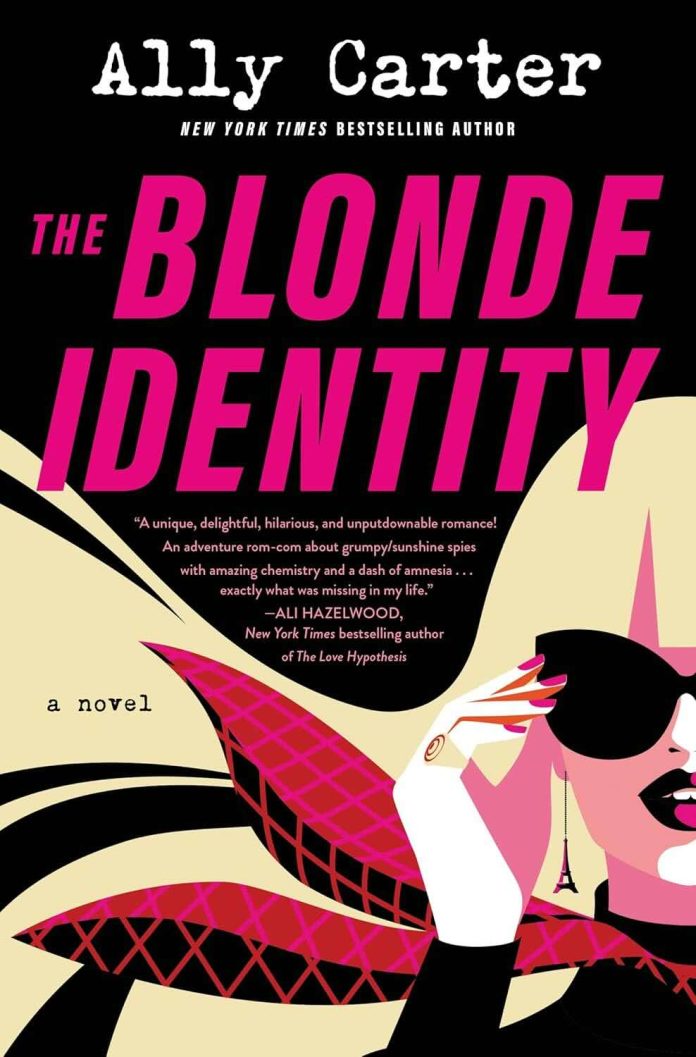
Ally Carter’s triumphant leap from young adult to adult fiction with The Blonde Identity delivers a masterclass in blending high-stakes espionage with swoon-worthy romance. This debut adult novel marks the beginning of the Blonde Identity series, with the highly anticipated sequel The Blonde Who Came in From the Cold already generating buzz among fans. Carter, renowned for her beloved Gallagher Girls series and Heist Society books, proves that her signature wit and action-packed storytelling translates seamlessly into the adult market.
The novel opens with a cinematically striking scene: a woman awakening in a Parisian street with no memory, snowflakes falling around the Eiffel Tower’s twinkling lights, and immediately being thrust into a deadly chase. This unnamed protagonist, later revealed to be Zoe, becomes the heart of a story that skillfully weaves together themes of identity, trust, and the courage to reinvent oneself when everything familiar disappears.
Plot Structure: A Masterpiece of Escalating Tension
Carter constructs her narrative with the precision of a Swiss watch, each chapter building momentum while deepening both the mystery and romantic tension. The mistaken identity plot—where Zoe is confused for her twin sister Alex, a rogue CIA operative—serves as more than just a convenient plot device. It becomes a vehicle for exploring deeper questions about nature versus nurture, the bonds between siblings, and what truly defines who we are when stripped of our memories and assumptions.
The pacing throughout the novel is exceptional, balancing breathless action sequences with quieter character development moments. Carter demonstrates her mastery of the romantic suspense genre by never allowing either element to overshadow the other. The spy thriller aspects feel authentic and well-researched, while the romantic development between Zoe and Sawyer unfolds with organic chemistry that avoids the pitfalls of instalove.
The story’s structure follows a classic three-act progression, but Carter subverts expectations at key moments. The revelation that Alex has created a decoy flash drive, leaving Zoe with the real one containing Kozlov’s criminal empire details, shifts the power dynamics in ways that feel both surprising and inevitable. This plot twist exemplifies Carter’s skill at laying breadcrumbs that readers can follow without making the outcome too predictable.
Character Development: Grumpy Meets Sunshine Perfection
Zoe emerges as a refreshingly authentic protagonist whose amnesia doesn’t strip away her essential humanity. Carter avoids the temptation to make Zoe a blank slate; instead, her personality shines through her memory loss. Her tendency to hum, her natural optimism, and her ability to find humor in dire situations create a character who feels real and relatable. The gradual recovery of her memories—discovering she’s an author, remembering her overprotective childhood—adds layers to her character without feeling forced or convenient.
Sawyer Sterling represents the grumpy/sunshine trope executed to perfection. His initial reluctance to help Zoe stems from genuine professional paranoia and past betrayals, making his eventual vulnerability feel earned rather than mandated by romance conventions. Carter skillfully reveals his softer side through actions rather than exposition—buying Zoe a real wedding ring “for cover,” teaching her to defend herself, and ultimately choosing her safety over his mission objectives.
The supporting cast, particularly Alex, adds complexity to the narrative. Alex serves as Zoe’s dark mirror—what she might have become under different circumstances. Their relationship, fractured by years of separation and Alex’s dangerous career, provides emotional depth beyond the central romance. The revelation that Alex has been protecting Zoe by staying away adds poignancy to their eventual reunion.
Romance Development: Chemistry That Sizzles Without Overshadowing
The romantic arc between Zoe and Sawyer exemplifies Carter’s evolution as a romance writer. Their relationship develops through shared danger and gradual trust, but it’s the small moments that sell their connection—Sawyer’s careful attention to Zoe’s injuries, her ability to make him laugh despite himself, and their easy banter that reveals deep compatibility beneath surface differences.
The fake marriage cover story aboard the luxury river cruise provides the perfect setting for romantic tension to build. Carter uses this confined space expertly, allowing intimate moments to develop naturally while maintaining the underlying threat of discovery. The dinner scene where they must convince other passengers of their newlywed status showcases Carter’s talent for writing chemistry that crackles on the page.
Particularly effective is how Carter handles the physical attraction between the characters. Their first kiss, demanded by the crowd at dinner, serves plot purposes while simultaneously advancing their emotional connection. The way Sawyer’s professional detachment crumbles around Zoe feels authentic rather than contrived, and Zoe’s growing confidence in her ability to hold her own in Sawyer’s dangerous world provides satisfying character growth.
Action Sequences: Cinematic Scope Meets Emotional Stakes
Carter’s action sequences read like they were written for the big screen, but never at the expense of character development. The motorcycle chase through European streets, the cable car confrontation in the Alps, and the final mountain rescue all serve dual purposes—advancing the plot while forcing character growth and relationship development.
The climactic exchange scene on the glass-bottomed bridge between two Alpine peaks demonstrates Carter’s skill at choreographing complex action. The logistics of the prisoner exchange, with both sides operating cable systems simultaneously, creates genuine tension while showcasing Zoe’s unexpected strategic thinking. Her plan to use the bridge’s safety equipment as an escape route reveals character intelligence that has been building throughout the novel.
What elevates these action sequences beyond standard thriller fare is their emotional stakes. Every chase and confrontation carries the weight of Zoe and Sawyer’s developing relationship, making readers invested in the outcome beyond mere plot resolution.
Themes and Social Commentary: Identity, Trust, and Reinvention
Beneath its entertaining surface, The Blonde Identity explores meaningful themes about identity and self-determination. Zoe’s amnesia forces her to reconstruct her sense of self without the burden of past limitations or others’ expectations. Her discovery that she’s lived a sheltered life due to childhood illness, contrasted with her sister’s dangerous career, raises questions about how circumstances shape personality and choices.
The novel also examines trust within relationships, both romantic and familial. Sawyer’s professional paranoia conflicts with his growing feelings for Zoe, while Alex’s protective distance from her sister stems from love expressed through absence. Carter doesn’t offer easy answers but instead shows how trust must be rebuilt through actions rather than words.
The spy thriller elements allow Carter to comment on loyalty, betrayal, and the moral ambiguity of intelligence work. Sawyer’s conflicted feelings about his career, and his eventual choice to prioritize Zoe over his mission, suggest that personal connections can redeem even those trapped in morally complex professions.
Writing Style: Wit, Warmth, and Expertly Crafted Dialogue
Carter’s prose style has matured significantly since her young adult work, maintaining her trademark wit while developing greater emotional depth. Her dialogue sparkles with authenticity, particularly in the banter between Zoe and Sawyer. Lines like Zoe calling Sawyer a “jerkface” during their emotional confrontation perfectly capture her character voice while defusing tension with humor.
The dual point-of-view structure allows readers to understand both characters’ motivations without becoming repetitive or slowing the pace. Carter uses this technique effectively to show how the same events impact each character differently, particularly during the fake marriage cruise sequence where both are struggling with the blurring lines between cover and reality.
Carter’s descriptive writing brings settings to life without overwhelming the narrative flow. From the snowy Parisian streets to the luxurious river cruise to the dramatic Alpine peaks, each location feels integral to the story rather than merely decorative.
Series Positioning and Future Potential
As the first book in the Blonde Identity series, this novel establishes a rich world with ample potential for expansion. The hint at Alex’s “enemies-to-lovers situation” in the epilogue sets up The Blonde Who Came in From the Cold while providing satisfying closure to Zoe and Sawyer’s story. The revelation that they’ve become co-authors writing under the pseudonym Z.S. Michaelson offers a charming conclusion that honors both their individual strengths and their partnership.
The book succeeds as both a standalone romance and series opener, providing complete satisfaction while leaving readers eager for more adventures in this world. Carter has created a universe where intelligence agencies, criminal organizations, and romantic entanglements intersect in ways that feel both escapist and grounded.
Critical Assessment: Strengths and Areas for Growth
Strengths:
- Exceptional character chemistry and authentic dialogue
- Masterful pacing that balances action and romance
- Creative use of the amnesia trope to explore deeper themes
- Cinematic action sequences with emotional stakes
- Satisfying romantic development that feels earned
- Strong supporting characters, particularly Alex
- Effective world-building that supports series expansion
Areas for Consideration:
- Some plot conveniences, particularly regarding Zoe’s rapid adaptation to dangerous situations
- The criminal conspiracy, while well-crafted, occasionally feels secondary to the romance
- Certain action sequences, while exciting, stretch credibility slightly
- The resolution comes together very quickly after the emotional climax
These minor criticisms don’t detract significantly from the overall reading experience, particularly given the book’s strong foundation in character development and relationship building.
Comparative Analysis: Standing Among Spy Romance Giants
The Blonde Identity stands favorably alongside established spy romances like Helen Hardt’s Helen of Troy series and Marie Force’s Fatal series. Carter’s background in young adult adventure fiction provides a fresh perspective on adult romantic suspense, bringing energy and optimism that differentiates her work from grittier entries in the genre.
The novel shares DNA with romantic comedies like The Hating Game and Beach Read while incorporating the high-stakes action of spy thrillers. This combination creates a unique reading experience that should appeal to fans of both contemporary romance and romantic suspense.
For readers familiar with Carter’s previous work, The Blonde Identity represents a successful evolution while maintaining the author’s core strengths in character development and witty dialogue.
Final Verdict: A Triumphant Genre Evolution
The Blonde Identity succeeds brilliantly as both an entertaining escape and a meaningful exploration of identity, trust, and love. Carter has crafted a novel that honors spy thriller traditions while bringing fresh perspective and emotional depth to familiar tropes. The amnesia plot device, which could have felt gimmicky, instead becomes a powerful tool for character exploration and relationship development.
This book will satisfy multiple audiences: romance readers seeking chemistry and emotional payoff, thriller enthusiasts wanting action and suspense, and Ally Carter fans eager to see their favorite author tackle adult fiction. The novel’s success in balancing these different elements makes it a standout debut in the adult market.
- Recommended for readers who enjoy: Fast-paced romantic suspense, spy thrillers with heart, grumpy/sunshine romances, amnesia plots done well, witty dialogue, and series with strong world-building potential.
- Similar Books: If you loved The Blonde Identity, consider The Kiss Quotient by Helen Hoang, The Unhoneymooners by Christina Lauren, or Red, White & Royal Blue by Casey McQuiston for similar chemistry and humor, or explore The Gallagher Girls series or The Most Wonderful Crime of the Year to experience Carter’s earlier work.
The Blonde Identity series promises to be a worthy addition to both Carter’s bibliography and the romantic suspense genre, with The Blonde Who Came in From the Cold poised to continue this winning formula of action, romance, and authentic character development.







