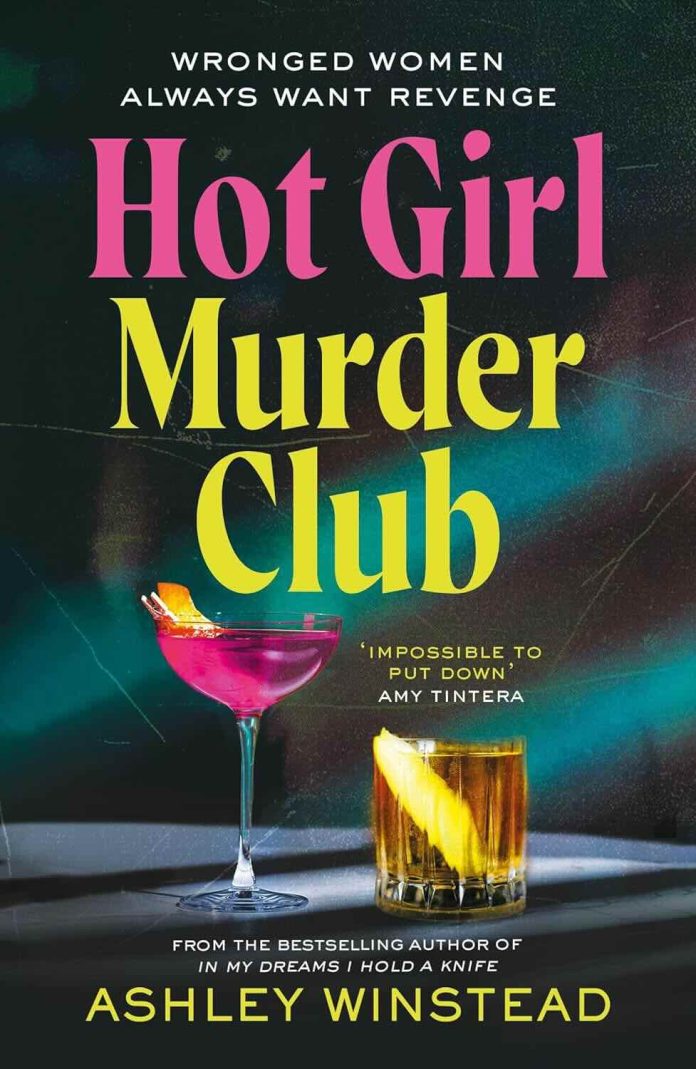
Some thrillers open with a shrug and a corpse. “Hot Girl Murder Club” opens with a mirror. Detective Grey Holloway walks into a Bel Air mansion and finds a dead woman who could pass for her twin, right down to the ballet-pink nail polish. Above the body, smeared in blood, sits a lyric lifted from a Scout Sage song. It is a strange, jarring way to begin, and it tells you almost everything about the kind of book you are holding. Winstead is not chasing a tidy puzzle. She wants to talk about the way young women get looked at, alive and dead, and who ends up believed once the looking is done.
From there the story splits open like a locket. On one side sits Scout Sage, a mid-tier pop star whose face gets plastered across every screen in the country after a run of Los Angeles killings all seem to point at her. On the other sits her younger sister, Georgia, whose death at a Hollywood party a decade earlier was quietly filed away and never solved. The distance between those two events is where the whole novel lives, and the author keeps pulling it tighter until something has to give.
The Machinery Under the Glitter
The most ambitious thing about Hot Girl Murder Club by Ashley Winstead is its architecture. Rather than lock us inside one head, Winstead rotates through a wide cast, each chapter tagged with a name and a role: the Detective, the Assistant, the Model, the Journalist, the Nepo Baby, and more. She braids two timelines, present-day investigation against the ten-year-old party that started everything. Then she threads in a third layer entirely, brief excerpts from a future academic study of a movement called Our Ladies of the Dark, which reframes the murders as the opening shots of something far bigger than one dead girl in Bel Air.
When this works, it really works. A few standout threads carry the book:
- Grey, the detective, who moonlights at a nightclub and gets sneered at as “Detective Barbie” while quietly holding a flawless clearance rate. Her chapters have the cleanest engine.
- Isabel, the best friend and assistant, whose loyalty to Scout curdles into something knottier and more painful as the pages turn. She is the emotional spine.
- The doubling motif, the detective who resembles the victim, which pays off in ways that reward a careful reader.
The academic interludes give the book a mythic, slightly speculative reach, as if you are reading a legend already being fought over by historians. It is a clever trick, and it lets the story widen from a whodunit into something closer to a manifesto.
A Voice Sharp Enough to Draw Blood
Style is where Winstead earns her reputation. Her prose is quick, satirical, and merciless about the machinery of fame. Bodies get appraised the way real estate gets appraised. Grief and ambition sit at the same table and pass the whiskey. The book is dense with brand names, Alo sets and La Mer tans and Chanel No. 5, and while some of that reads as set dressing, most of it works as sly commentary on a town that prices everything, girls included.
There is real feeling under the gloss. The sisterly love among Scout, Isabel, and Georgia is drawn with enough tenderness that the darker turns actually hurt. Winstead adjusts her register for each narrator, so a nepo baby haunting her childhood mansion sounds nothing like a young cop rehearsing a calming ritual over a fresh corpse. That flexibility is a genuine skill, and it keeps the pages turning even when the plot slows.
Where It Stumbles
An honest look at Hot Girl Murder Club by Ashley Winstead has to name the tradeoffs, because the same choices that make it bold also make it uneven.
- The cast is too big to serve everyone. With so many narrators, a few voices feel thin next to Grey and Isabel. Some perspectives arrive, do a job, and slip away before you have reason to care about them.
- The middle sags. All that timeline-hopping builds a rich picture, but it also stalls momentum. Readers who want a lean, ticking-clock mystery may get restless around the halfway mark.
- The message occasionally outmuscles the mystery. The book’s fury about predatory men and a justice system that shrugs is righteous and often well-aimed, yet the final stretch tips from crime novel into political revenge fantasy. When the ambitions swell to a near-future, society-wide scale, restraint takes a back seat, and the whodunit machinery gets a little lost in the roar.
None of this sinks the book. It does mean your experience will hinge on what you came for. If you want a contained puzzle box, the sprawl may frustrate you. If you want a thriller that swings for something bigger than a single killer, the swing is thrilling to watch.
Themes Worth Sitting With
Underneath the noir sheen, this is a novel about the price of vengeance and whether sacrifice buys anything that anger cannot. It asks what a woman is supposed to do with rage that has nowhere legitimate to go, and it refuses to hand over a clean answer. The strongest passages stay in that discomfort rather than resolving it, which is where the book feels most alive and most grown-up.
Read-Alikes and Where This Sits in the Author’s Shelf
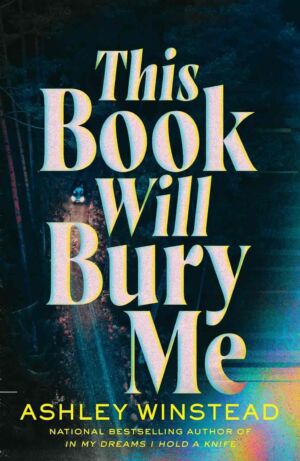
Ashley Winstead has built a career on smart, angry women and the men who underestimate them. If this is your first taste, her backlist rewards a deeper look. In My Dreams I Hold a Knife remains her twistiest campus thriller, The Last Housewife is her darkest and most divisive, and Midnight Is the Darkest Hour leans gothic. She also writes romance under the same name, including The Boyfriend Candidate, so her range runs wider than the murders suggest.
For readers who finish Hot Girl Murder Club by Ashley Winstead wanting more of the same voltage, a few pairings worth trying:
- Jessica Knoll, Bright Young Women for the same fury at how violence against women gets narrated.
- Megan Abbott, The Turnout or Dare Me for female ambition sharpened into a weapon.
- Chandler Baker, Whisper Network for collective, workplace-flavored reckoning.
- Naomi Alderman, The Power for anyone who loved the speculative, movement-scale ending.
- Gillian Flynn, Gone Girl for the original blueprint of rage wearing a pretty face.
For the same argument about who gets cast as the victim, told with a colder eye, try Dreamland by Olivie Blake, in which a broke actress takes a job minding a movie star’s hidden son.
The Verdict
Hot Girl Murder Club by Ashley Winstead is messy, loud, and unafraid, a thriller that would rather overreach than play safe. It will not satisfy the reader who wants nothing but a clean chain of clues, and its politics arrive with the volume turned high. But the voice is electric, the sisterhood aches, and the central mystery is built with real craft before it detonates into something stranger. Winstead set out to write a book people would argue about, and she did. That the arguments are worth having is the surest sign she pulled it off.
Content note: the novel deals with sexual violence, murder, suicide, and predatory abuse of power. Sensitive readers may want to go in aware.