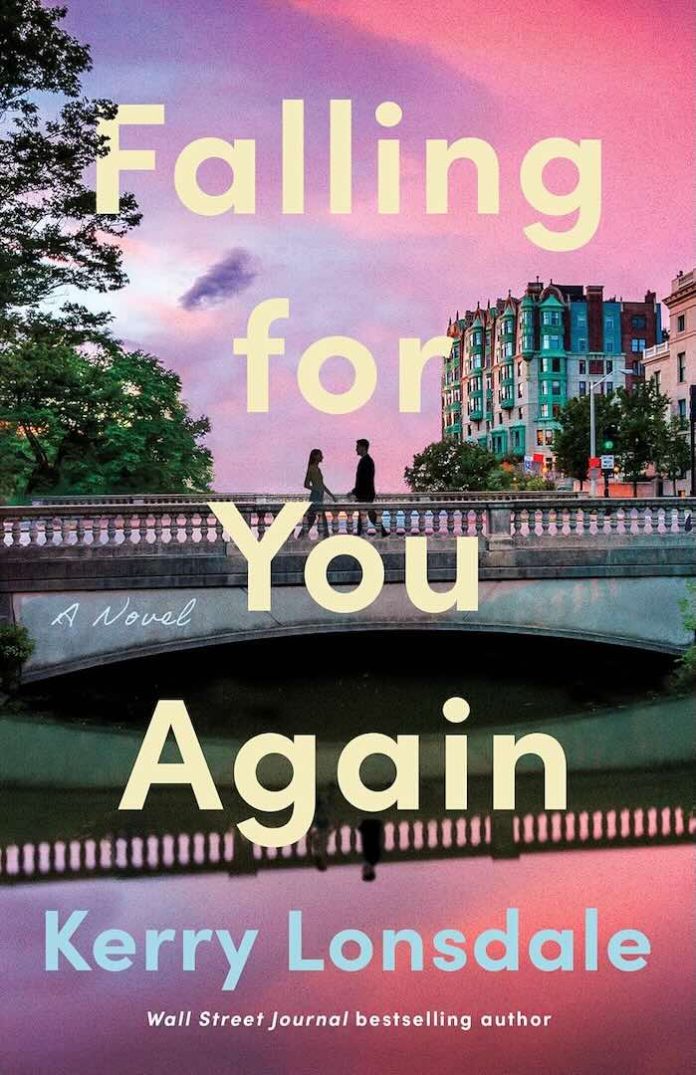
Kerry Lonsdale has carved out a distinctive niche in contemporary romance with her ability to weave together complex family dynamics, passionate love stories, and compelling career aspirations. In Falling for You Again, she delivers perhaps her most emotionally resonant work yet—a tale that explores whether true love can flourish when business and pleasure intertwine, and whether second chances are worth the risk of falling twice.
The Artisan’s Heart: Character Development That Cuts Deep
Meli Hynes: A Heroine Shaped by Wood and Wounds
Furniture artisan Meli Hynes emerges as a protagonist who embodies both strength and vulnerability in equal measure. Lonsdale crafts Meli with the same attention to detail that her character brings to her woodworking—every emotional grain and imperfection serves a purpose in the larger design. Meli’s relationship with her craft isn’t merely professional; it’s deeply personal, rooted in a childhood marked by parental abandonment and the sanctuary she found in her Uncle Bear’s workshop.
The author’s portrayal of Meli’s artisanship feels authentic and lived-in. When Meli describes the sensation of working with wood, feeling for imperfections with her fingertips, or the meditative quality of sanding a live-edge table, Lonsdale captures the almost spiritual connection between artist and medium. This isn’t just career window-dressing; it’s integral to understanding Meli’s fear of vulnerability and her reluctance to trust in relationships that might demand she divide her attention.
Aaron: More Than Just a Pretty Business Plan
Aaron presents a fascinating counterpoint to Meli—equally driven but from an entirely different angle. As the son of a business dynasty, he understands corporate maneuvering and strategic thinking, yet he possesses an artist’s appreciation for craftsmanship that makes him uniquely suited to understand Meli’s world. Lonsdale avoids the typical alpha billionaire trope by making Aaron genuinely collaborative rather than domineering.
The revelation that Aaron has been secretly learning woodworking from Meli’s instructional videos adds layers to his character that elevate him beyond a convenient love interest. His willingness to be vulnerable, to show Meli his amateur attempts at furniture-making, demonstrates an emotional intelligence that makes their partnership—both romantic and professional—feel authentic rather than contrived.
The Architecture of Family Dysfunction
When Trust Becomes Sawdust
Lonsdale’s exploration of family betrayal cuts to the bone. The discovery that Uncle Bear has been secretly negotiating to sell Artisant Designs to the Savant House—the very company Aaron works for—while keeping Meli completely in the dark, creates a devastating breach of trust that reverberates throughout the narrative. The author skillfully uses this betrayal to examine how family members can hurt each other while genuinely believing they’re acting in someone’s best interest.
The family dynamics feel painfully realistic. Uncle Bear’s paternalistic assumption that he knows what’s best for Meli, combined with her parents’ passive complicity in the deception, creates a suffocating environment that explains Meli’s fierce independence and her reluctance to depend on others. When the truth emerges about the building sale—that Uncle Bear had no choice but to sell due to circumstances beyond his control—it adds complexity to what could have been a simple villain-and-victim narrative.
Romance That Builds on Solid Foundations
The Marriage of Convenience That Isn’t
The marriage-of-convenience trope gets a fresh twist in Lonsdale’s capable hands. Rather than strangers entering a business arrangement, Meli and Aaron are reconnecting after a impulsive Las Vegas wedding years earlier—a shared history that provides emotional scaffolding for their current arrangement. Their previous twenty-four-hour marriage serves as both cautionary tale and proof of concept for their current venture.
Lonsdale excels at creating romantic tension through small, intimate moments rather than manufactured drama. Aaron bringing Meli coffee in the morning, his patient observation of her work process, or their late-night conversations about business plans—these quiet scenes build emotional intimacy more effectively than grand gestures. The sexual chemistry between them feels natural and earned, growing from mutual respect and genuine affection rather than mere physical attraction.
The Professional Becomes Personal
What sets this romance apart is how seamlessly Lonsdale integrates the characters’ professional lives with their romantic development. Aaron’s offer to become Meli’s business partner doesn’t feel like a wealthy man solving his woman’s problems; instead, it emerges from his genuine appreciation for her talent and vision. His secret preparation of a fully equipped workshop space demonstrates investment in her dreams rather than an attempt to control them.
The business partnership elements are meticulously researched and realistic. Meli’s innovative ideas for digital woodworking tutorials and online furniture plans feel contemporary and commercially viable. Aaron’s expertise in marketing and finance provides a natural complement to her creative abilities without diminishing her role as the driving creative force.
The Craft of Writing: Lonsdale’s Technical Mastery
Prose That Flows Like Well-Planed Wood
Lonsdale’s writing style in “Falling for You Again” has matured significantly since her earlier works. Her prose maintains accessibility without sacrificing depth, and she demonstrates particular skill in writing dialogue that feels natural and character-specific. Meli’s voice carries the precision of someone accustomed to working with her hands, while Aaron’s speech patterns reflect his business background without becoming sterile or corporate.
The author’s research into woodworking techniques and business practices feels thorough and authentic. Technical details never overwhelm the narrative but instead serve to ground the story in a believable world. When Meli explains her vision for educational videos or discusses the grain patterns in different wood types, these moments feel like natural extensions of her character rather than exposition dumps.
Pacing That Knows When to Rush and When to Linger
The structure of “Falling for You Again” mirrors the careful process of furniture-making—patient development interspersed with moments of decisive action. Lonsdale allows emotional beats to develop organically rather than forcing dramatic confrontations. The revelation of family betrayals unfolds gradually, building tension without resorting to melodrama.
Some readers might find the middle section slightly slower than contemporary romance conventions dictate, but this deliberate pacing serves the story’s themes about the value of taking time to build something lasting. Like Meli’s furniture, this love story is crafted rather than rushed.
Areas Where the Grain Runs Against Perfection
Secondary Characters Who Need More Dimension
While Meli and Aaron are fully realized, some secondary characters feel underdeveloped. Meli’s parents, Dean and her mother, serve primarily as plot devices rather than fully fleshed individuals. Their motivations for going along with Uncle Bear’s deception could have been explored more deeply, particularly given their central role in Meli’s emotional landscape.
Uncle Bear himself, despite being crucial to the plot, remains somewhat opaque. While we understand his financial pressures and genuine care for Meli, his emotional journey through the story could have been given more attention. The resolution of family conflicts feels slightly rushed compared to the careful development of the romantic relationship.
The Business Elements Could Use More Tension
While the woodworking details are authentic and engaging, the business conflicts sometimes lack the urgency they should carry. The threat to Meli’s livelihood and family legacy doesn’t always feel as pressing as it should, partly because Aaron’s resources make solutions seem too readily available. A bit more financial jeopardy or competitive pressure could have raised the stakes.
The Artisan’s Verdict: Craftsmanship That Endures
Falling for You Again succeeds brilliantly as both a romance and a story about pursuing one’s passion in the face of family expectations and economic pressures. Lonsdale has created characters whose love story feels earned rather than inevitable, rooted in mutual respect and shared values rather than mere attraction.
The novel’s greatest strength lies in its integration of professional and personal growth. Meli’s journey toward trusting Aaron as both business partner and husband reflects her larger journey toward believing she deserves love that supports rather than competes with her ambitions. Aaron’s parallel journey—learning to value craftsmanship and creativity over pure profit—provides satisfying character development that enhances rather than overshadows the romance.
For readers of Lonsdale’s earlier works, this represents a mature evolution of her storytelling abilities. Fans of Everything We Keep and Find Me in California will recognize her signature blend of emotional depth and family complexity, while newcomers will find an accessible entry point into her literary world.
Similar Books That Share the Workshop
Readers who appreciate Falling for You Again should consider:
- The Unhoneymooners by Christina Lauren – For marriage-of-convenience done with humor and heart
- Beach Read by Emily Henry – For the blend of professional and personal growth
- The Kiss Quotient by Helen Hoang – For neurodivergent representation and career-focused heroines
- The Seven Husbands of Evelyn Hugo by Taylor Jenkins Reid – For family secrets and the cost of ambition
- The Flatshare by Beth O’Leary – For unconventional relationship development
- Other Kerry Lonsdale works: No More Words, Last Summer, and Side Trip
The Final Joint: A Romance Built to Last
Falling for You Again stands as a testament to the power of second chances and the possibility of building something beautiful from the fragments of past mistakes. Lonsdale has crafted a romance that respects both its characters’ individual dreams and their shared potential, creating a love story that feels as solid and enduring as Meli’s finest furniture pieces.
Like the live-edge tables that Meli creates, this novel embraces imperfections and natural variations, allowing them to become part of the beauty rather than flaws to be hidden. It’s a story that will satisfy romance readers seeking emotional depth while appealing to anyone who has ever struggled to balance personal relationships with professional passion.
In a genre often criticized for unrealistic expectations and problematic power dynamics, Falling for You Again offers something increasingly rare: a love story built on equality, mutual respect, and the radical idea that the right partner will enhance rather than diminish one’s individual dreams.







